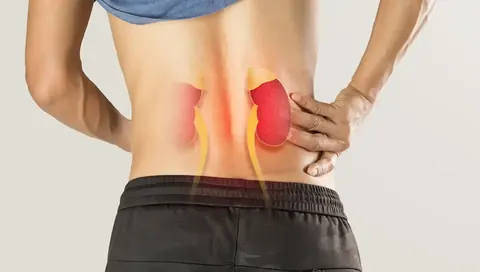
Percutaneous Nephrolithotomy (PCNL) in Turkey
Laser-assisted percutaneous nephrolithotomy (PNL) is a minimally invasive surgical procedure typically used to treat kidney stones larger than 2 cm, complex stones, or those that cannot be broken by other methods such as ESWL. In this method, the kidney is accessed through an approximately 1 cm incision in the patient’s back, and the stones are treated with the help of a nephroscope. Laser energy is used to pulverize the stones or break them into small pieces.
This technology allows for effective fragmentation of stones and can reduce bleeding that may occur during the procedure. Laser PNL is widely preferred today due to its high success rate, short recovery time, and protective effect on kidney functions.
Percutaneous nephrolithotomy (PCNL) is an effective surgical method frequently preferred for the treatment of large and complex kidney stones. If you are curious about all other kidney stone treatment options applied in addition to this method, you can visit our Kidney Stone Treatment and Kidney Stone Surgery in Bursa page.
Get Information on WhatsApp Get Information by Phone 5,0· 107 Google reviews
Contents
- What is Percutaneous Nephrolithotomy (PNL)?
- Why is Percutaneous Nephrolithotomy (PNL) Performed?
- How is Percutaneous Nephrolithotomy (PNL) Performed?
- What Should Be Considered in Diet to Prevent Urinary Tract Infection?
- Laser Percutaneous Nephrolithotomy (PNL) in Bursa
- Mini, Ultra Mini, and Micro-Percutaneous Nephrolithotomy Methods
- Frequently Asked Questions About Laser Percutaneous Nephrolithotomy (PNL)
- Percutaneous Nephrolithotomy (PCNL) in Bursa, Turkey
What is Percutaneous Nephrolithotomy (PNL)?
Percutaneous nephrolithotomy (PNL) is a minimally invasive procedure performed for the surgical removal of large or complex stones within the kidney. The word “percutaneous” means through a small incision on the skin, while “nephrolithotomy” means removal of kidney stones. In this procedure, the kidney is accessed through an approximately 1 cm incision made in the back area, and the stones are directly treated with the help of a special instrument called a nephroscope.
Stones are usually fragmented using ultrasonic, pneumatic, or laser energy, and the fragments are removed from the body. Percutaneous nephrolithotomy is highly effective in treating stones 2 cm and larger, as well as complex stones such as staghorn (horn-shaped) stones. It is preferred over open surgery due to its less invasive nature, shorter recovery time, and high success rates.
Why is Percutaneous Nephrolithotomy (PNL) Performed?
Percutaneous nephrolithotomy (PNL) is a surgical method preferred especially for the treatment of large, hard, multiple, or complex kidney stones. The following conditions constitute the main indications for PNL procedure:
- Kidney stones 2 cm and larger: Stones of this size usually cannot be broken by methods such as shock wave therapy (ESWL).
- Staghorn (deer antler) stones: These are large stones with a branched structure that fill the inside of the kidney.
- Cases where ESWL or ureterorenoscopy have not been successful: It is applied in cases where previous treatment methods have failed.
- Recurrent urinary tract infections: In cases where stones form a focus of infection and threaten kidney functions.
- Painful stones that reduce quality of life: It can be performed to alleviate severe kidney pain and other complications.
The PNL procedure is a less traumatic option compared to open surgery, offering a short hospital stay and rapid recovery process.
How is Percutaneous Nephrolithotomy (PNL) Performed?
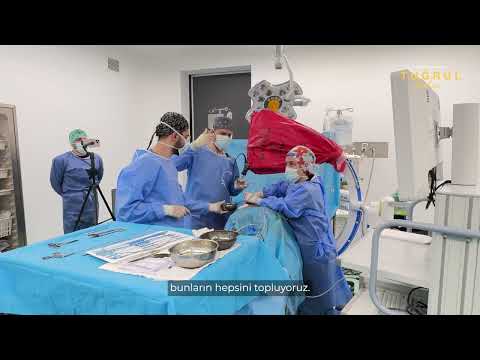
The percutaneous nephrolithotomy (PNL) procedure is typically performed under general anesthesia in sterile operating room conditions and consists of several basic steps:
Patient Positioning
The patient is usually placed in a prone position. This position provides the most suitable access to the kidney.
Kidney Access
Under radiological imaging guidance (ultrasound, fluoroscopy, or CT), a 1 cm incision is made in the back area, and the stone-containing part of the kidney is accessed with a special needle.
Tunnel Creation and Instrument Placement
This channel is widened with the help of a guide wire, and a system containing a camera and instruments called a “nephroscope” is inserted.
Stone Fragmentation and Removal
Stones detected inside the kidney under imaging are broken using laser, ultrasonic, or pneumatic devices. The broken stone fragments are removed or reduced to small enough pieces (dust-like) to be expelled by the body.
Drainage and Tube Placement
At the end of the procedure, a nephrostomy tube is placed to allow fluid from the kidney to drain out and to monitor the healing process. In some patients, a tubeless method may also be applied.
After the procedure, the patient is monitored in the hospital for a few days. The nephrostomy tube or urinary catheter is usually removed within a few days. PNL provides safe and effective clearance of large kidney stones.
What Should Be Considered in Diet to Prevent Urinary Tract Infection?
Dietary habits play an important role in preventing urinary tract infections (UTIs) by strengthening the immune system and reducing bacterial growth in the urinary tract. Here are dietary recommendations to prevent UTIs:
- Drinking at least 2-2.5 liters of water per day helps dilute urine and cleanse the urinary tract.
- Water helps prevent bacteria from multiplying in the bladder.
- Vitamin C makes urine acidic, making it difficult for bacteria to multiply.
- Foods such as oranges, tangerines, kiwi, strawberries, broccoli, and green peppers are recommended.
- Blueberries and Cranberries are known for their antioxidant and antibacterial effects. They can prevent bacteria from adhering to the urinary tract. They can be consumed as sugar-free fruit juice or in capsule form.
- Yogurt, kefir, and probiotic supplements balance intestinal flora and support immunity. They increase the body’s resistance against harmful bacteria.
- Sugar can support the growth of harmful bacteria.
- Consumption of packaged foods, sweets, and products containing white flour should be limited.
- Beverages such as coffee, tea, and cola can irritate the bladder. They may increase symptoms during UTI periods.
- Excessive salt consumption increases water excretion from the body and may increase the risk of infection.
- Processed meat products such as salami and sausage should be avoided.
- Foods with anti-inflammatory effects such as ginger, turmeric, and leafy green vegetables can reduce the severity of infection.
- Drinking water and emptying the bladder after sexual intercourse helps clear bacteria.
- Take care not to hold your urine.
A balanced, natural, and antioxidant-rich diet is very important in preventing urinary tract infections. In addition to your diet, adequate hygiene, plenty of water consumption, and regular elimination also reduce the risk of infection. In suspicious cases, a healthcare professional should always be consulted.
Laser Percutaneous Nephrolithotomy (PNL) in Bursa
Laser-assisted percutaneous nephrolithotomy (Laser PNL) is a treatment method that allows for more effective and precise breaking of kidney stones by integrating laser technology into the classic PNL method. This technique typically uses holmium (Ho:YAG) or thulium lasers.
Features of Laser PNL:
- The ability to “dust” stones allows stone fragments to be easily removed from the body or reduced to a size that can be expelled with urine.
- It provides bleeding control, as laser energy can also coagulate blood vessels.
- Laser is more frequently preferred especially in mini, micro, and ultra-mini PNL techniques because small channels can make it difficult to remove stones using classic methods.
Advantages:
- Less tissue damage and lower risk of bleeding
- Faster healing process
- Effective breaking capacity even for large stones
- Precise intervention under endoscopic imaging
Laser PNL is considered a technological leap in stone disease treatment and increases success rates, especially in recurrent or complex stone cases.
Mini, Ultra Mini, and Micro-Percutaneous Nephrolithotomy Methods
Techniques developed to make the classic percutaneous nephrolithotomy (PNL) method less invasive are named according to the diameter of the access channel: Mini-PNL, Ultra Mini-PNL, and Micro-PNL.
Mini-PNL Surgical Method
- Diameter: 14–20 Fr
Advantages:
- Smaller incision and less bleeding compared to classic PNL
- Suitable for medium-sized stones
- Can be used with laser, ultrasonic, or pneumatic stone breakers.
Ultra Mini-PNL Surgical Method
- Diameter: 11–13 Fr
Advantages:
- Much less blood loss
- Short hospital stay
- Preferred especially in children and adults with low stone burden
Micro-PNL Surgical Method
- Diameter: 4.8 Fr or smaller
- It is the least invasive method
- Stones are pulverized with laser and fragments are not aspirated; the patient expels them with urine
- Usually performed with a single-use fiber optic system
The common goal of these techniques is to reduce complication rates in stone treatment, accelerate recovery, and provide a more comfortable option especially for pediatric patients and adults with low stone volume.
Frequently Asked Questions About Laser Percutaneous Nephrolithotomy (PNL)
Who is laser PNL suitable for?
Laser PNL is typically performed on patients with kidney stones larger than 2 cm, hard or complex stones; and those who have not achieved successful results with methods like ESWL. It is especially effective for staghorn stones.
How long does the laser PNL procedure take?
The duration of the procedure varies depending on the size, number, and location of the stone, but it usually takes between 1–2 hours.
What type of anesthesia is used during the procedure?
General anesthesia is mostly preferred. In some cases, spinal anesthesia may also be applied.
What is the advantage of laser technology?
Laser pulverizes stones (dusting), making them easier to expel and can also stop small vessel bleeding that may occur during the procedure.
How long is the hospital stay after the procedure?
It usually varies between 1–3 days. This period may be even shorter with mini or micro PNL methods.
Can stones form again after laser PNL?
Like any surgery, this procedure clears the stones, but if there are metabolic disorders causing stone formation, they may recur. Therefore, diet, lifestyle changes, and regular check-ups are important.
Is laser PNL safe?
Yes, it is quite safe when performed by experienced hands. Due to its minimally invasive nature, it carries less risk of complications compared to open surgery.
When can I return to my normal life?
Most patients can return to daily life within 1 week. However, heavy exercise and physical activities should be avoided for a while.
Percutaneous Nephrolithotomy (PCNL) in Bursa, Turkey
Op. Dr. Tuğrul Türker is a urologist in Bursa, Turkey, and sees patients at Private Doruk Nilüfer Hospital. Bursa is reached from Istanbul by road over the Osmangazi Bridge, by ferry across the Sea of Marmara, or through Yenişehir Airport. If you are travelling from abroad for Percutaneous Nephrolithotomy (PCNL), you can send your previous reports and test results on WhatsApp and we will write back about a suitable date. Appointment requests are confirmed only after we reply.
How does the treatment process work?
-
Contact
You contact us via WhatsApp, phone or the form; a suitable examination day is planned for you.
-
Examination and tests
Your complaints are listened to and you are examined; tests are requested if necessary.
-
Treatment plan
The results are evaluated; suitable treatment options and the process are explained to you in detail.
-
Treatment and follow-up
The treatment is carried out; recovery is followed up with check-up visits.
This page is for general information only. Always consult your doctor for diagnosis and treatment.

Patient Reviews
5,0 · 107 Google reviewsGoogle reviews (opens in a new tab) DoktorTakvimi profile (opens in a new tab)
For patients travelling from abroad
Here is how your treatment journey works and how to reach us.
Op. Dr. Tuğrul Türker works at Private Doruk Nilüfer Hospital, which holds the Turkish Ministry of Health authorisation for international health tourism.
- Free initial assessment
- Airport transfer
- Accommodation support
- Translator support
-
Why
Op. Dr. Tuğrul Türker
A graduate of Cerrahpaşa Faculty of Medicine and a urology specialist since 2012. He performs Da Vinci robotic surgery and laser stone and prostate surgery at Private Doruk Nilüfer Hospital.
View -
Why
Bursa, Türkiye
Bursa is a few hours from Istanbul's two international airports by road and ferry, and the city has an airport of its own. Treatment takes place in a fully equipped private hospital.
View -
How it works
The process and getting in touch
Message us on WhatsApp and share the test results you have. Dr. Türker reviews them, a suitable day is agreed, and the examination and treatment take place at the hospital.
Message on WhatsApp
Related treatments

Related guide articles
Methods for Passing Ureteral Stones
Read more
Endoscopic Bladder Stone Treatment
Read more
Kidney Stone Treatment with RIRS Method
Read more