Overactive Bladder Treatment in Turkey
Overactive bladder (OAB) is a common urinary system disorder characterized by a sudden and unhinderable feeling of urination as a result of uncontrolled contraction of the bladder. It often manifests itself with complaints such as increased need to urinate during the day and night, sudden urgency and sometimes urinary incontinence. This condition, which can be seen in both women and men, can seriously reduce the quality of life.
The goal of overactive bladder treatment is to control involuntary contractions of the bladder, reduce the frequency of urination, and improve the patient’s quality of life. For this purpose, lifestyle changes (regulating caffeine and fluid intake, pelvic floor exercises) can be applied in the first step, followed by bladder training, medication (anticholinergics, beta-3 agonists) and, if necessary, advanced treatment methods such as botox injections or nerve stimulation (PTNS, sacral neuromodulation).
Treatment is individually planned and when followed patiently, significant improvement can be achieved in most patients. Overactive bladder is a condition that can be managed and controlled with the appropriate approach.
Get Information on WhatsApp Get Information by Phone 5,0· 107 Google reviews

Contents
- What is an overactive bladder?
- What are the symptoms of an overactive bladder?
- What causes overactive bladder?
- How is overactive bladder diagnosed?
- What are the treatment methods for overactive bladder?
- Frequently asked questions about treating overactive bladder
- Overactive Bladder Treatment in Bursa, Turkey
What is an overactive bladder?
Overactive bladder (OAB) is a bladder disorder characterized by a sudden and often uninhibited urge to urinate as a result of an involuntary contraction of the bladder. This condition usually manifests itself with complaints such as frequent urination, waking up at night and urinating (nocturia) and in some cases urinary incontinence (urge incontinence).
OAB can occur in both men and women and can occur at any age; however, its incidence increases with age. A clear underlying cause cannot always be identified; Therefore, it is defined as “idiopathic” in many cases. Conditions such as neurological diseases (e.g., Parkinson’s, multiple sclerosis), urinary tract infections, or bladder irritation can also trigger OAB.
Overactive bladder impairs quality of life with social and psychological effects rather than serious physical harm. However, with proper diagnosis and treatment, symptoms can be largely controlled.
What are the symptoms of an overactive bladder?
Overactive bladder (OAB) presents with a sudden and uncontrollable urge to urinate due to involuntary contractions of the bladder. The main symptoms of this condition are:
- Sudden and Severe Urge to Urinate
- Frequent Urination
- Urination at Night
- Urinary Incontinence
Inability to reach the toilet and urinary incontinence with a sudden urge to urinate. It may not be seen in every patient, but it seriously affects the quality of life.
These symptoms can sometimes be seen alone and sometimes together. When symptoms become chronic, they can have negative effects on social life, sleep patterns and psychological state. With early diagnosis and appropriate treatment, it is possible to control symptoms.
What causes overactive bladder?
Overactive bladder (OAB) can often develop without any apparent underlying cause. These conditions are called “idiopathic”. However, some health problems or lifestyle habits can cause the bladder to work harder than normal or cause involuntary contractions. Here are the most common causes of OAB:
- Neurological Diseases
- Aging
- Frequent Urinary Tract Infections (UTIs)
- Bladder Stones or Tumors
- Caffeinated and Acidic Beverages
- Medications and Medical Conditions
- Hormonal Changes
In conclusion, overactive bladder can occur through a combination of factors. If the cause is correctly evaluated, symptoms can be effectively controlled with appropriate treatment planning.
How is overactive bladder diagnosed?
The diagnosis of overactive bladder (OAB) is largely based on the patient’s complaints and symptom history. The aim of the diagnostic process is to rule out other diseases that may cause OAB symptoms and to evaluate bladder functions in detail. Here are the main methods used in diagnosing overactive bladder:
- Detailed Patient History and Symptom Assessment
- Urine Diary (Bladder Diary)
- Urinalysis and Culture
- Urodynamic Tests
- Ultrasound and Imaging
- Cystoscopy (If Necessary)
Diagnosis of OAB; It is made by evaluating the patient’s complaints, urinary habits and various test results together. Early and accurate diagnosis forms the basis of a successful treatment process.
What are the treatment methods for overactive bladder?
Overactive bladder (OAB) treatment is planned individually according to the severity of the patient’s symptoms, lifestyle and underlying causes. Treatment progresses gradually; It starts with behavioral methods first, and if necessary, medication and advanced interventional treatments are started. Here are the important treatment options:
Lifestyle Changes and Behavioral Therapies
It is a first-line treatment and relieves symptoms in most patients:
- Limiting fluid and caffeine intake
- Pelvic floor exercises (Kegel)
- Bladder training (extending toilet intervals)
- Weight control and smoking cessation
Medication
If the symptoms cannot be controlled, drug treatment is started:
- Anticholinergics (Ex: Oxybutynin, Tolterodine): Reduces compression by relaxing the bladder muscles.
- Beta-3 agonists (Ex: Mirabegron): These are newer generation drugs; It increases bladder capacity and has fewer side effects.
- Dual treatment: A combination of two drugs can be used when necessary.
Botulinum Toxin (Botox) Injection
- It is administered by injection into the bladder muscle.
- It temporarily inhibits contractions and reduces the feeling of tightness.
- It is usually repeated every 6-9 months.
Nerve Stimulation (Neuromodulation)
- PTNS (Tibial nerve stimulation): Nerve stimulation is applied near the ankle.
- Sacral neuromodulation: With the permanent device, the bladder nerves are stimulated from the spinal cord area.
- It is effective for those looking for a drug-free and long-term solution.
Surgical Treatment (Rare)
It is evaluated in advanced cases and in patients who do not respond to other treatments:
- Bladder augmentation (augmentation cystoplasty)
- Bladder removal (cystectomy) – very rare and last resort
The aim of OAB treatment is to improve the patient’s quality of life by reducing urinary frequency and sudden urgency. With proper diagnosis and personalized treatment, OAB can be successfully managed in most patients.
Frequently asked questions about treating overactive bladder
Can overactive bladder be completely cured?
OAB may not go away completely with permanent treatment; However, with the right approach, symptoms can be significantly controlled, and quality of life can be improved.
Is it possible to treat without medication?
Yes. Lifestyle changes, bladder training, and pelvic floor exercises alone may be sufficient for many patients. Alternatives such as drug-free nerve stimulation (PTNS) are also available.
Are there any side effects of the drugs used?
Anticholinergic drugs can cause side effects such as dry mouth, constipation, dizziness. The new generation of beta-3 agonist drugs is generally better tolerated.
Is Botox treatment effective? How often is it done?
Yes, Botox injection into the bladder muscle is highly effective. It is usually repeated every 6-9 months. Temporary difficulty urinating may occur.
Does overactive bladder cause urinary incontinence in the future?
When it is not controlled, urge incontinence, that is, urge urinary incontinence, may develop. However, early intervention reduces this risk.
In which case is surgical treatment considered?
Surgical evaluation can be performed in patients whose complaints persist despite all treatment options and whose quality of life is seriously impaired. This is often considered a last resort.
What foods increase OAB symptoms?
Caffeinated drinks (coffee, tea, cola), acidic drinks, spicy foods, alcohol and chocolate can stimulate the bladder and increase complaints.
Overactive Bladder Treatment in Bursa, Turkey
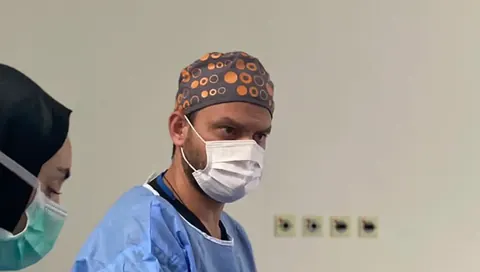
Op. Dr. Tuğrul Türker is a urologist in Bursa, Turkey, and sees patients at Private Doruk Nilüfer Hospital. Bursa is reached from Istanbul by road over the Osmangazi Bridge, by ferry across the Sea of Marmara, or through Yenişehir Airport. If you are travelling from abroad for Overactive Bladder Treatment, you can send your previous reports and test results on WhatsApp and we will write back about a suitable date. Appointment requests are confirmed only after we reply.
How does the treatment process work?
-
Contact
You contact us via WhatsApp, phone or the form; a suitable examination day is planned for you.
-
Examination and tests
Your complaints are listened to and you are examined; tests are requested if necessary.
-
Treatment plan
The results are evaluated; suitable treatment options and the process are explained to you in detail.
-
Treatment and follow-up
The treatment is carried out; recovery is followed up with check-up visits.
This page is for general information only. Always consult your doctor for diagnosis and treatment.

Patient Reviews
5,0 · 107 Google reviewsGoogle reviews (opens in a new tab) DoktorTakvimi profile (opens in a new tab)
For patients travelling from abroad
Here is how your treatment journey works and how to reach us.
Op. Dr. Tuğrul Türker works at Private Doruk Nilüfer Hospital, which holds the Turkish Ministry of Health authorisation for international health tourism.
- Free initial assessment
- Airport transfer
- Accommodation support
- Translator support
-
Why
Op. Dr. Tuğrul Türker
A graduate of Cerrahpaşa Faculty of Medicine and a urology specialist since 2012. He performs Da Vinci robotic surgery and laser stone and prostate surgery at Private Doruk Nilüfer Hospital.
View -
Why
Bursa, Türkiye
Bursa is a few hours from Istanbul's two international airports by road and ferry, and the city has an airport of its own. Treatment takes place in a fully equipped private hospital.
View -
How it works
The process and getting in touch
Message us on WhatsApp and share the test results you have. Dr. Türker reviews them, a suitable day is agreed, and the examination and treatment take place at the hospital.
Message on WhatsApp
Related treatments

Bladder Cancer Treatment in Turkey
Read more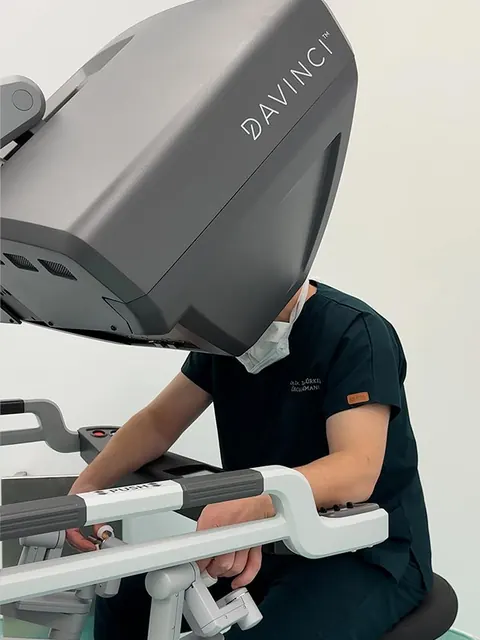
Robotic Bladder Cancer Surgery in Turkey
Read moreWart (Condyloma) Treatment in Turkey
Read more
Gonorrhea Treatment in Turkey
Read more