
Erectile Dysfunction Treatment in Turkey
Erectile dysfunction (ED) is a common sexual health problem in men, popularly known as erectile dysfunction. This condition is defined as the inability to achieve or maintain sufficient penile hardness for sexual intercourse. Although erectile dysfunction that may occur from time to time is generally considered normal, medical intervention may be required when this condition becomes persistent.
Although erectile dysfunction is more common in men over the age of 40, it can affect all age groups. Various factors may play a role in the formation of the condition, whether physical (diabetes, hypertension, heart diseases, hormone imbalances), psychological (anxiety, depression, stress) or lifestyle (smoking, alcohol use, inactivity).
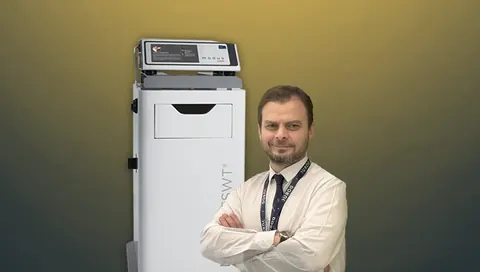
ESWT treatment, one of the modern and non-invasive methods used in the treatment of erectile dysfunction, offers an effective alternative, especially in cases of vascular origin. You can find more detailed information on this subject on our eswt treatment bursa page.
Get Information on WhatsApp Get Information by Phone 5,0· 107 Google reviews
Contents
- What is erectile dysfunction?
- What are the causes of erectile dysfunction?
- What are the symptoms of erectile dysfunction?
- How is erectile dysfunction diagnosed?
- What are the treatment methods for erectile dysfunction?
- How can erectile dysfunction be prevented?
- Frequently asked questions about erectile dysfunction
- Erectile Dysfunction Treatment in Bursa, Turkey
Erectile dysfunction treatment prices and the most suitable treatment plan for you are determined after the examination. For detailed information and appointments, you can use the contact options below.
What is erectile dysfunction?
Erectile dysfunction (ED) is the inability to achieve or maintain penile erection. The main indicator of this situation is that the penile erection, which is necessary for sexual intercourse in men, is not sufficiently formed or maintained. Erectile dysfunction can be experienced from time to time; However, when this condition becomes permanent, it should be considered a health problem.
Erection occurs through a complex interaction of nerves and vessels extending from the brain to the penis. Any disruption in this process can lead to erectile dysfunction. The causes of erectile dysfunction can be physical (e.g. vascular diseases, diabetes, hormonal disorders), psychological (anxiety, depression, relationship problems) or lifestyle (alcohol, smoking, drug abuse, obesity).
This disorder can negatively affect men’s quality of life, self-confidence and couples’ sexual relationships. Fortunately, once the underlying causes of erectile dysfunction are identified, it can be largely controlled with appropriate treatment methods.
What are the causes of erectile dysfunction?
Many factors, both physical and psychological, can play a role in the formation of erectile dysfunction. In some cases, these two groups can be seen together. Here are the most common causes:
Physical Causes
- Vascular diseases: Conditions such as atherosclerosis (arteriosclerosis), which causes reduced blood flow in the penile veins.
- Diabetes mellitus: Erectile dysfunction is common due to nerve damage and vascular problems.
- Hypertension (high blood pressure): It affects the vascular system and disrupts blood flow.
- Hormone imbalances: Especially low testosterone levels.
- Prostate diseases and their treatment
- Neurological diseases: Conditions that affect the nervous system, such as MS (multiple sclerosis), Parkinson’s disease, spinal cord injuries.
- Obesity
- Smoking, alcohol and substance use
- Certain medications: Antidepressants, blood pressure medications, antihistamines, etc.
Psychological Causes
- Stress and anxiety: Work, relational conflicts, or performance anxiety.
- Depression
- Lack of self-confidence
- Sexual traumas or bad experiences
Lifestyle Factors
- Factors such as inactivity, unhealthy diet and insufficient sleep can also indirectly trigger erectile dysfunction.
One or more of these reasons may be effective together. Therefore, the underlying cause should be determined through a comprehensive evaluation and an appropriate treatment plan should be created.
What are the symptoms of erectile dysfunction?
The main symptom of erectile dysfunction (erectile dysfunction) is the inability to achieve or maintain the hardness required for sexual intercourse. However, other symptoms may be observed in addition to this situation. These symptoms can manifest themselves in both physical and psychological aspects.
- Erection of the penis
- Failure to maintain erection
- Decreased sexual desire (libido)
- Decrease or loss of morning stiffness
- Anxiety or avoidance of sexual intercourse
These symptoms may be experienced from time to time. However, if it occurs regularly for several months, it is considered chronic erectile dysfunction and requires medical evaluation. In addition, these symptoms may be the first sign of a systemic problem such as cardiovascular diseases.
How is erectile dysfunction diagnosed?
The diagnosis of erectile dysfunction (erectile dysfunction) is made through the patient’s medical history, physical examination and some laboratory tests. The goal of diagnosis is to determine the underlying cause of the problem and create an appropriate treatment plan.
- Evaluation of Medical History and Complaints
- Physical Examination
- Laboratory Tests
- Other Tests That Can Be Performed If Necessary
The diagnostic process is usually shaped by the person’s age, general health status and the severity of symptoms. Accurate diagnosis is critical to treatment success.
What are the treatment methods for erectile dysfunction?
In the treatment of erectile dysfunction, determining the underlying cause is of great importance. The treatment plan is created individually according to the patient’s age, general health condition, duration and severity of the problem. If necessary, more than one method can be applied together.
- Quitting smoking and alcohol
- Healthy diet and regular exercise
- Adequate sleep
- Reducing stress and anxiety
- Losing excess weight
- PDE5 inhibitors: It is the most widely used group of drugs. Drugs such as tadalafil (Cialis) and Vardenafil are effective with sexual stimulation.
- Hormone therapy: If there are low testosterone levels, testosterone therapy can be applied under the supervision of a physician.
- Individual therapy or couples therapy for psychological causes such as anxiety, depression or performance pressure may be beneficial.
- Psychological support is very effective, especially in cases that start at a young age and continue to have morning stiffness.
- ESWT (shock wave therapy): It provides erection correction by increasing blood flow by shocking the structures that provide erection in the penis.
- Vacuum devices: It helps erection by increasing blood flow to the penis.
- Penile prosthesis (implant): It is applied surgically in advanced cases that do not respond to other methods.
- Vascular surgery (rarely performed) in patients with circulatory disorders in the penile vessels.
- Penile prosthesis placement surgery can be applied to patients who are looking for a permanent solution and do not respond to medications.
Erectile dysfunction is often a treatable condition. When the appropriate treatment method is determined by a specialist physician’s evaluation, both sexual functions and quality of life can improve significantly.
How can erectile dysfunction be prevented?
Although erectile dysfunction (erectile dysfunction) cannot be completely prevented in some cases, its risk can be greatly reduced with lifestyle changes and health checks. Here are the measures that can be taken:
- Adopting a Healthy Lifestyle
- Staying Away from Harmful Habits
- Keeping Chronic Diseases Under Control
- Reducing Stress and Psychological Pressure
- Regular Sexual Activity
- Paying Attention to Medication Use
All these measures contribute to the protection of not only erectile dysfunction but also general sexual and cardiovascular health. It is recommended that people in the risk group (e.g. diabetics) do not neglect regular check-ups.
Frequently asked questions about erectile dysfunction
At what age does erectile dysfunction occur?
While it can occur at any age, it is more common in men aged 40 and older. The risk increases with age, but it can also occur in young men for psychological reasons.
Is erectile dysfunction permanent?
No, in most cases it is temporary. Depending on the cause, it can be completely treated with medication, lifestyle changes, or psychological support.
Which doctor should be consulted?
A urologist is the physician to be consulted for erectile dysfunction. If necessary, endocrinologist or psychiatrist support can also be obtained.
Can erectile dysfunction occur due to psychological reasons?
Yes. Anxiety, stress, depression, and relationship problems can trigger this condition. Erectile dysfunction of psychological origin is often seen in the young age group.
Can erectile dysfunction be a symptom of a serious illness?
Yes. In particular, vascular occlusions can be the first symptom of systemic diseases such as heart disease and diabetes.
Can erectile dysfunction be completely cured?
Yes, it can be completely cured with proper treatment, depending on the underlying cause. Starting treatment early increases the chances of success.
Are drug treatments addictive?
No, erection drugs are not physically addictive. However, some people may develop psychological dependence; Therefore, it should be used under the supervision of a doctor.
Erectile Dysfunction Treatment in Bursa, Turkey
Op. Dr. Tuğrul Türker is a urologist in Bursa, Turkey, and sees patients at Private Doruk Nilüfer Hospital. Bursa is reached from Istanbul by road over the Osmangazi Bridge, by ferry across the Sea of Marmara, or through Yenişehir Airport. If you are travelling from abroad for Erectile Dysfunction Treatment, you can send your previous reports and test results on WhatsApp and we will write back about a suitable date. Appointment requests are confirmed only after we reply.
How does the treatment process work?
-
Contact
You contact us via WhatsApp, phone or the form; a suitable examination day is planned for you.
-
Examination and tests
Your complaints are listened to and you are examined; tests are requested if necessary.
-
Treatment plan
The results are evaluated; suitable treatment options and the process are explained to you in detail.
-
Treatment and follow-up
The treatment is carried out; recovery is followed up with check-up visits.
This page is for general information only. Always consult your doctor for diagnosis and treatment.

Patient Reviews
5,0 · 107 Google reviewsGoogle reviews (opens in a new tab) DoktorTakvimi profile (opens in a new tab)
For patients travelling from abroad
Here is how your treatment journey works and how to reach us.
Op. Dr. Tuğrul Türker works at Private Doruk Nilüfer Hospital, which holds the Turkish Ministry of Health authorisation for international health tourism.
- Free initial assessment
- Airport transfer
- Accommodation support
- Translator support
-
Why
Op. Dr. Tuğrul Türker
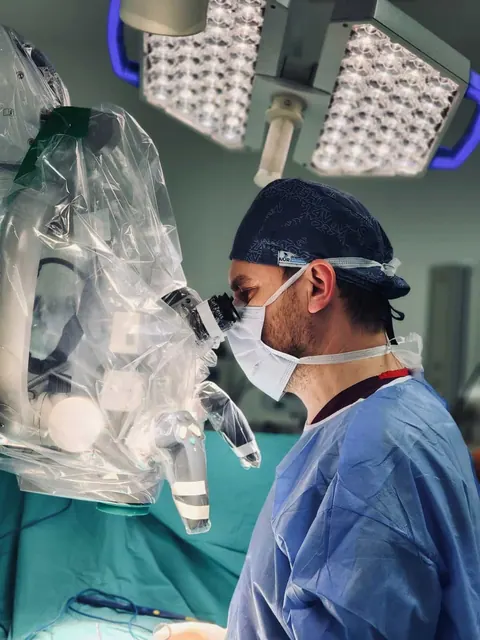
A graduate of Cerrahpaşa Faculty of Medicine and a urology specialist since 2012. He performs Da Vinci robotic surgery and laser stone and prostate surgery at Private Doruk Nilüfer Hospital.
View -
Why
Bursa, Türkiye
Bursa is a few hours from Istanbul's two international airports by road and ferry, and the city has an airport of its own. Treatment takes place in a fully equipped private hospital.
View -
How it works
The process and getting in touch
Message us on WhatsApp and share the test results you have. Dr. Türker reviews them, a suitable day is agreed, and the examination and treatment take place at the hospital.
Message on WhatsApp
Related treatments
Varicocele Treatment in Turkey
Read more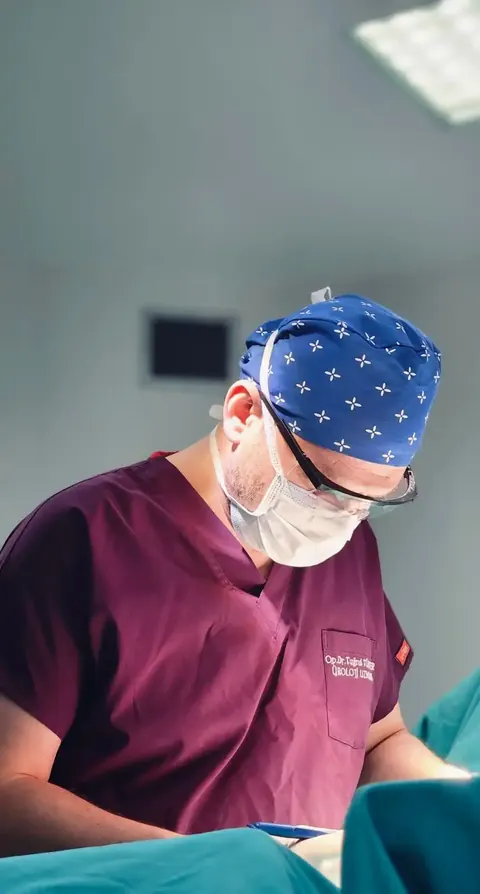
ESWT (Shock Wave) Treatment in Turkey
Read more
Penile Curvature Treatment in Turkey
Read more
Related guide articles


Is ESWT Application Painful?
Read more