
Chronic Prostatitis Treatment in Turkey
Get Information on WhatsApp Get Information by Phone 5,0· 107 Google reviews
Contents
- What is chronic prostatitis treatment?
- What causes chronic prostatitis?
- What are the symptoms of chronic prostatitis?
- How is prostatitis diagnosed?
- What are the chronic prostatitis treatment methods?
- How to prevent prostatitis?
- Frequently asked questions about chronic prostatitis
- Chronic Prostatitis Treatment in Bursa, Turkey
What is chronic prostatitis treatment?
The prostate gland is a secretory gland located immediately below the bladder, an important part of the male reproductive system, with ducts opening into the urethra. The prostate gland gives the semen fluid containing sperm its white color and is responsible for the secretion of prostate fluid. The health problem that occurs as a result of inflammation of the prostate gland and, in some cases, the tissues around it is defined as prostatitis. Chronic prostatitis, on the other hand, occurs as a result of long-term inflammation of the prostate gland.
Chronic prostatitis usually manifests itself with groin pain, some urinary problems, and sexual problems. The exact cause of chronic prostatitis is not yet fully known. However, important factors that trigger the discomfort can be mentioned. Chronic prostatitis, which is frequently seen in men, is generally known as a difficult health problem to diagnose and treat. It causes conditions such as painful symptoms, a significant decrease in quality of life, and urinary problems. Since the symptoms of chronic prostatitis persist for a long time, it negatively affects the person’s daily life.
There are generally 4 types of prostate inflammation, and chronic prostatitis is one of them. If prostatitis symptoms are observed for at least 3 months, the condition is defined as chronic prostatitis. Since it is a long-term type of inflammation, it must be kept under control. By determining the correct treatment method, the symptoms related to chronic prostatitis can be controlled and the person’s daily life can be made easier. The treatment of chronic prostatitis is usually aimed at alleviating the symptoms. There are various treatment methods such as the use of some anti-inflammatory drugs, antibiotics, muscle relaxants, and physical therapy applications.
What causes chronic prostatitis?
In most cases of chronic prostatitis, the exact cause of the disease cannot be determined. However, factors that may trigger the disease include; immune system problems, hormonal changes, nervous system problems, and infections. Chronic prostatitis is an important urinary tract problem that can be frequently encountered, especially by men under the age of 50.
We can mention some important symptoms of the commonly seen discomfort as follows:
- Having had a bacterial prostatitis infection in the past
- Irritation caused by the accumulation of urine flowing into the prostate
- Irritation caused by chemicals
- Nerve problem that may involve the lower urinary tract
- Sexually transmitted infections
- Surgical procedures performed on the urinary tract, etc.
- Physical trauma
- Stress
- Anomalies that develop in the urinary tract due to various reasons
- Suppression of the immune system
- Some chronic conditions such as irritable bowel syndrome, etc.
What are the symptoms of chronic prostatitis?
Chronic prostatitis can manifest itself with various symptoms. In some cases, mild symptoms are observed, while in others, it can give the person a feeling of severe discomfort. The prostate surrounds the urethra, and a prostate infection causes the prostate gland to swell.
We can mention some important symptoms of chronic prostatitis as follows:
- Frequent or urgent need to urinate
- Difficulty starting urine flow
- Burning sensation during or after urination
- Pain experienced during or after orgasm
- Muscle aches or stiffness
- Difficulty continuing urine flow after it has started
- Fatigue, muscle aches, fever, or chills can be shown among the general symptoms.
The symptoms mentioned above can be seen in some people and can significantly negatively affect the quality of life. However, there may also be cases where the symptoms of the disease are almost never seen.
How is prostatitis diagnosed?
Detailed examination is important in the diagnosis of chronic prostatitis. After a detailed medical history and detailed physical examination taken by the relevant physician, a diagnosis can be made by using various imaging methods such as computed tomography (CT) and ultrasound. The presence of microorganisms can be investigated in urine and semen samples.
However, manual examination may also be required during the examination of the prostate gland. As a result of all these examinations, prostatitis is diagnosed and the type of prostatitis the patient has is determined. It is important to determine the appropriate treatment method according to the type of prostatitis.
We can mention some important diagnostic tests that can be used in the diagnosis of prostatitis as follows:
- Blood tests, urine tests,
- Various imaging tests such as ultrasound, computed tomography
- Swollen lymph nodes that will reflect a bacterial infection
- Checking for a sensitive scrotum or discharge
- Rectal examination to determine the size of the prostate gland
What are the chronic prostatitis treatment methods?
Chronic prostatitis treatment may vary depending on the diagnosed prostatitis condition and symptoms. Antibiotics are usually prescribed in cases where the underlying cause of chronic prostatitis is a bacterial infection. Anti-inflammatory drugs can also help reduce inflammation and pain.
Although the type of disease is important in prostatitis treatment, we can mention some important treatment methods as follows:
- Alpha-blocker type drug treatment that helps widen the urinary tract in eliminating problems with urination
- Antibiotic drug treatment that can be applied frequently
- Anti-inflammatory drugs applied to control inflammation
- Prostatic massage application, provided that it is applied with the advice of a specialist doctor.
- Permanent changes that need to be made in lifestyle are very important practices for treatment.
- Physical therapy exercises that will strengthen the pelvic floor muscles can also alleviate the symptoms of the disease.
- Painkiller drugs may be recommended to relieve pain symptoms.
- Psychological support can be obtained in order to manage psychological symptoms such as stress, depression, and anxiety that may be related to chronic pain.
- However, alternative treatment methods such as acupuncture can also be applied.
How to prevent prostatitis?
There is no definite way to prevent prostate inflammation. However, some important changes that a person will make in their lifestyle can significantly contribute to the healthy maintenance of the prostate gland.
We can mention some important practices that help reduce the risk of prostatitis as follows:
- Engaging in regular physical activity such as running, walking, and sports is important to reduce the symptoms of the discomfort.
- Sitting in a seated position for a long time suppresses the prostate glands and causes inflammation. For this reason, standing up or staying standing may be considered important for prostate gland health.
- Sufficient fluid intake is very important to prevent urinary tract infections.
- Regular sexual intercourse can help protect the health of the prostate gland and reduce the risk of infection.
- Keeping the penis and the areas around it clean and hygienic at all times is an important factor that helps reduce the risk of infection.
Frequently asked questions about chronic prostatitis
Who is more likely to get it?
It is more common in young and middle-aged men (ages 20–50). Risk factors include:
- History of urinary tract infection
- Pelvic microtraumas such as cycling
- Pelvic floor muscle tension, stress, and sometimes sexually transmitted agents are involved
Why does it happen?
- The exact cause of CP/CPPS is unknown; causes such as pelvic floor muscle spasms, chronic inflammation, nerve damage, and psychological stress are blamed
- In chronic bacterial prostatitis, bacteria such as E. coli settle in the prostate tissue
Is chronic prostatitis treatable?
In the bacterial type: If the treatment does not work and recurs, long-term antibiotics and supportive treatments such as alpha-blockers can be applied; prostate stones and anatomical causes are investigated. In the non-bacterial type: Fluctuations in symptoms may continue for a long time; biopsy or nerve-muscular therapy and psychological support may be required
Who gets it?
It is common in men between the ages of 20-50. Those who have had a urinary tract infection, those who sit for long periods of time (e.g. cyclists) and stressed people are at risk.
Does chronic prostatitis go away?
Response to treatment varies from person to person. While the bacterial type is easier to treat, symptoms may fluctuate in the non-bacterial type. Full recovery may be difficult, but symptoms can be controlled.
Does it affect sexual life?
Yes. Painful ejaculation, erection problems and sexual reluctance are common complaints.
Does it recur?
Yes. Especially in bacterial prostatitis, if the infection is not completely cleared, it can recur. In the non-bacterial type, the symptoms may flare up and subside.
How can it be prevented?
- Avoiding prolonged sitting
- Exercises to relax the pelvic floor muscles
- Reducing stress
- Drinking enough water
- Protected sexual intercourse
Chronic Prostatitis Treatment in Bursa, Turkey
Op. Dr. Tuğrul Türker is a urologist in Bursa, Turkey, and sees patients at Private Doruk Nilüfer Hospital. Bursa is reached from Istanbul by road over the Osmangazi Bridge, by ferry across the Sea of Marmara, or through Yenişehir Airport. If you are travelling from abroad for Chronic Prostatitis Treatment, you can send your previous reports and test results on WhatsApp and we will write back about a suitable date. Appointment requests are confirmed only after we reply.
How does the treatment process work?
-
Contact
You contact us via WhatsApp, phone or the form; a suitable examination day is planned for you.
-
Examination and tests
Your complaints are listened to and you are examined; tests are requested if necessary.
-
Treatment plan
The results are evaluated; suitable treatment options and the process are explained to you in detail.
-
Treatment and follow-up
The treatment is carried out; recovery is followed up with check-up visits.
This page is for general information only. Always consult your doctor for diagnosis and treatment.

Patient Reviews
5,0 · 107 Google reviewsGoogle reviews (opens in a new tab) DoktorTakvimi profile (opens in a new tab)
For patients travelling from abroad
Here is how your treatment journey works and how to reach us.
Op. Dr. Tuğrul Türker works at Private Doruk Nilüfer Hospital, which holds the Turkish Ministry of Health authorisation for international health tourism.
- Free initial assessment
- Airport transfer
- Accommodation support
- Translator support
-
Why
Op. Dr. Tuğrul Türker
A graduate of Cerrahpaşa Faculty of Medicine and a urology specialist since 2012. He performs Da Vinci robotic surgery and laser stone and prostate surgery at Private Doruk Nilüfer Hospital.
View -
Why
Bursa, Türkiye
Bursa is a few hours from Istanbul's two international airports by road and ferry, and the city has an airport of its own. Treatment takes place in a fully equipped private hospital.
View -
How it works
The process and getting in touch
Message us on WhatsApp and share the test results you have. Dr. Türker reviews them, a suitable day is agreed, and the examination and treatment take place at the hospital.
Message on WhatsApp
Related treatments
Prostate Cancer Treatment in Turkey
Read more
Prostate Water Vapor Treatment in Turkey
Read more
Laser Prostate Treatment in Turkey
Read more
HOLEP Laser Prostate Surgery in Turkey
Read more
Related guide articles
Approaches to Prostatitis Treatment
Read more
Prostatitis in Young Men
Read more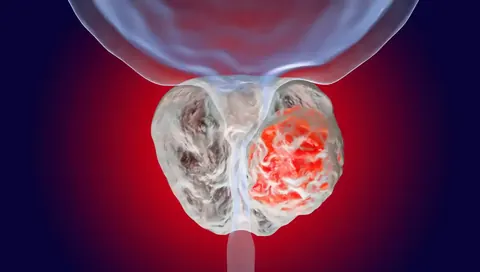
Early Detection of Prostate Cancer
Read more
Prostate Reduction with Water Vapor
Read more