
Testicular Torsion
Testicular torsion is a urological emergency condition that occurs when the testicle rotates around itself, compressing the vessels supplying it and cutting off blood flow. This condition usually occurs with symptoms such as sudden onset of severe testicular pain, swelling, redness and nausea. It is most common in men between the ages of 12 and 18, but can occur at any age.
If left untreated, the viability of the testicle may be lost and may need to be removed. Therefore, testicular torsion is a condition that is a race against time and early surgical intervention is critical for preserving the testicle.
Get Information on WhatsApp Get Information by Phone 5,0· 107 Google reviews
Contents
- What is testicular torsion?
- What are the types of testicular torsion?
- What causes testicular torsion?
- What are the symptoms of testicular torsion?
- How is testicular torsion diagnosed?
- How is testicular torsion treated?
- What should be considered after testicular torsion surgery?
- Frequently asked questions about testicular torsion
- Testicular Torsion in Bursa, Turkey
What is testicular torsion?
Testicular torsion is an emergency medical condition that occurs when the testicle rotates around itself and sprains around the sperm duct (spermatic cord), stopping blood flow to the testicle. This condition threatens the viability of the testicle and can cause irreversible damage within hours.
The testicle is normally attached to the scrotum (bag). However, in some men, the testicle can move freely due to the congenital “loose connective tissue”. This can cause the testicle to rotate (torsion), especially during sleep or sudden movements.
Who Gets It?
- It is most common in adolescent boys between the ages of 12 and 18 .
- It can also occur rarely in newborns.
- It can also occur through trauma, exercise, or no apparent cause.
Testicular torsion is a condition that manifests itself with severe and sudden onset of pain and should be intervened without loss of time . If there is doubt, a urologist should be consulted immediately. It is possible to save the testicle with early diagnosis.
What are the types of testicular torsion?
Testicular torsion is a condition caused by the testicle turning around itself, cutting off its blood supply, and it can occur in different types depending on anatomical differences or age. Here are the main types of testicular torsion:
Intravaginal Torsion (Most Common)
- The testicle revolves around its own sperm duct .
- It is usually seen during adolescence .
- A structural defect called “bell clapper anomaly” predisposes to this torsion.
- It is the most common type and requires immediate surgery.
Extravaginal Torsion
- The testicle and the surrounding membranes rotate together.
- It is more common in newborns .
- This type of torsion can occur because the testicle is not yet fully anchored in the scrotum.
- Usually, when it is noticed, the testicle is damaged.
Intermittent Torsion
- The testicle turns around and returns (torsion-detorsion).
- Pain, discomfort and swelling occur from time to time .
- While there is no risk of permanent damage, it can develop into complete torsion over time.
- Diagnosis is difficult, but surgical fixation (orchiopexy) may be required.
Although the type of testicular torsion varies according to age and anatomical structure, early diagnosis and intervention are of great importance in all types. Testicular pain should always be taken seriously and evaluated by a urologist.
What causes testicular torsion?
Testicular torsion is an emergency condition where the testicle rotates around itself, causing blood flow to be cut off . This sprain can often develop without a specific trauma. Here are the main factors that can cause testicular torsion:
- Anatomical Predisposition (Bell Bell Deformity)
- Adolescence and Hormonal Changes
- Torsion may develop while doing sports, during rotation during sleep, or accidental impacts. However, torsion most often happens spontaneously, that is, spontaneously.
- The contraction of the cremaster muscle in the cold can cause the testicle to pull upward and rotate.
- Extravaginal torsion in newborns is caused by the testicle not yet being fully fixed to the scrotum.
Testicular torsion often occurs with a combination of an underlying anatomical weakness and sudden physical changes . Although the cause is not always clear, if there is a sudden onset of testicular pain , it is vital to consult a doctor immediately.
What are the symptoms of testicular torsion?
Testicular torsion is an emergency condition that presents with sudden onset and rapidly progressing symptoms. Especially severe testicular pain is the most important finding that needs attention. Here are the main symptoms of testicular torsion:
- Sudden and Severe Testicular Pain. It usually occurs in one testicle. The pain starts suddenly and intensifies in a short time.
- Testicular Swelling and Tenderness
- Redness and Increased Temperature in the Scrotum
- Nausea and Vomiting. Especially in children and young people, there may be systemic symptoms accompanying the pain.
- Testicle in an upturned position
- Reduction of pain over time (can be dangerous!) When the blood flow to the testicle is completely cut off, the pain may decrease, but this means that the tissue dies, not heals .
- Since newborns cannot feel pain, the testicle may appear hard, purplish, or swollen. When this situation is noticed, it should be evaluated urgently.
Time is of the essence when these symptoms are noticed. If intervened within the first 6 hours, there is a high probability that the testicle can be saved. Testicular pain should never be neglected, and the emergency room should be consulted immediately.
How is testicular torsion diagnosed?
Since testicular torsion is a condition that races against time and requires rapid intervention, the diagnostic process should be short, clear and focused. When making a diagnosis, the aim is to confirm that the blood circulation to the testicle has been interrupted and to decide on surgical intervention without delay.
- Physical Examination
- Color Doppler Ultrasonography
- Laboratory Tests (Limited Role)
- If physical examination and history suggest torsion, surgical intervention can be performed without waiting for the ultrasound result. Because as time passes, the chance of saving the testicle decreases.
Physical examination and color Doppler ultrasonography play a leading role in diagnosing testicular torsion. However, the definitive diagnosis can sometimes only be made during surgery. Therefore, the most important approach is to intervene without delay if there is doubt.
How is testicular torsion treated?
Testicular torsion is a condition that requires immediate surgical intervention . Tissue death can occur within hours as the blood supply to the testicle is cut off. Therefore, the treatment process should be managed quickly, decisively and time-sensitively.
Emergency Surgical Intervention (Detorsion + Fixation)
Detorsion (Undoing Rotation):
- The testicle is surgically returned to its original position.
- Purpose: To restore blood flow.
Fixation of the testicle (fixation of the testicle):
- The testicle is fixed to the scrotum with stitches so that the rotation does not repeat.
- The healthy testicle is also fixed for protective purposes.
If intervened within the first 6 hours, the testicle can usually be saved. After 12 hours, the risk of damage increases significantly.
Orchiectomy (Removal of the Testicle)
- If the testicle blood flow is completely cut off and has lost its vitality, it may need to be removed.
- In this case, testicular prosthesis placement may be preferred for aesthetic purposes.
Manual Detorsion (Temporary Intervention)
- Manual turning as a temporary solution in the emergency room
- Usually, the right testicle is rotated counterclockwise and the left testicle is rotated clockwise.
- Even if successful, surgical fixation is essential afterwards.
What should be considered after testicular torsion surgery?
There are some important points to consider in order to speed up the healing process and prevent complications after surgical intervention for testicular torsion. Here is the post-operative care process:
- Rest and Movement Restriction
- Light activities such as walking can start after a few days.
- Applying ice to the scrotum area for 15-20 minutes in the first days can reduce pain and swelling. It can be done several times a day.
- Painkillers and antibiotics prescribed by the doctor should be taken regularly. Medications are important for pain control and infection risk.
- The suture area should be kept clean and dry. Shower permission is usually given after 48 hours (doctor’s recommendation should be taken into account).
- If there is redness, discharge or bad odor in the stitches, a physician should be consulted with the suspicion of infection.
- Using special underwear that supports the scrotum reduces pain and promotes healing.
- It is generally recommended to avoid sexual intercourse for 2-4 weeks after surgery. After full recovery, normal can be returned.
- Stitch control and healing evaluation are made within the first week.
- Long-term follow-up is not recommended if testicular viability is preserved, but hormone and reproductive health should be monitored if removed.
Cleanliness, pain management, and movement restriction are the most important elements in post-testicular torsion surgery care. With careful follow-up in the early period, the patient can return to daily life in a short time. Thanks to the intervention made without delay, the testicle can often be saved.
Frequently asked questions about testicular torsion
What is testicular torsion pain like?
It is usually sudden, severe and one-sided. It may also be accompanied by swelling, redness and nausea and vomiting.
At what age is it seen?
It is most common in young men between the ages of 12 and 18 . However, it can occur at any age, even in newborns.
Does testicular torsion go away on its own?
No. Untreated pain may mean that the testicle has died. Surgical intervention is absolutely required.
Is testicular torsion fatal?
No, but if left untreated, it can lead to the loss of the testicle. There may also be secondary risks such as infection and pain.
Does testicular torsion recur?
Since the testicles are fixed to the scrotum in the treatment, the risk of recurrence is reduced. However, it may recur in unfixed testicles.
Can a torsional testicle be saved?
If surgery is performed within the first 6 hours, the chance of saving the testicle is over 90%. After 12 hours, this rate drops rapidly.
Does it also damage the other testicle?
No, it does not affect it directly. However, since it has a similar structure, the healthy testicle is also fixed as a precaution.
Can you have children after torsion?
If one testicle is healthy, most men retain their ability to reproduce. If necessary, evaluation can be made with sperm analysis.
Is it necessary to go to the doctor if the pain goes away?
Yes! If the pain goes away, it may mean that the testicle has died. The emergency room must be consulted.
Testicular Torsion in Bursa, Turkey
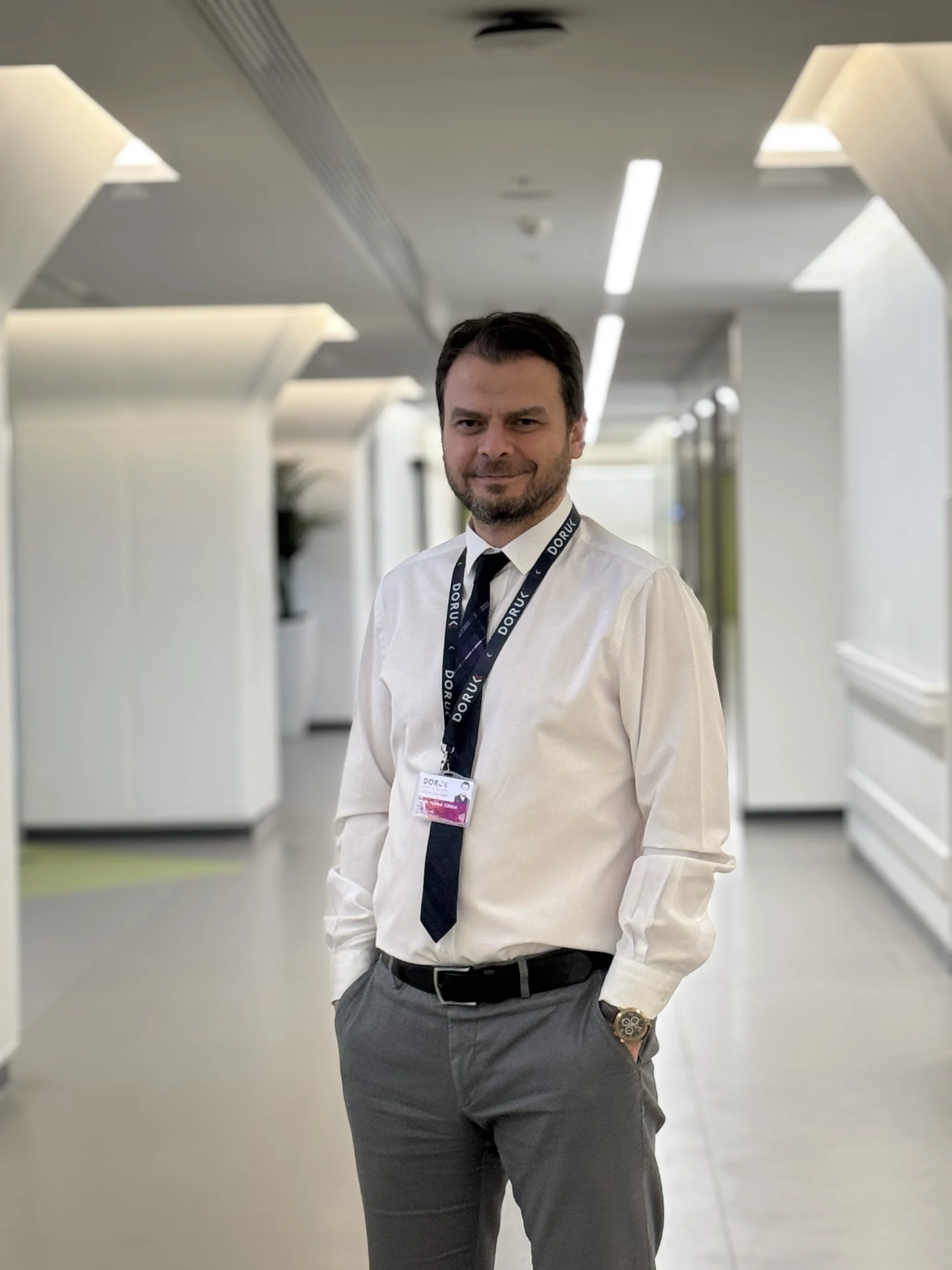
Op. Dr. Tuğrul Türker is a urologist in Bursa, Turkey, and sees patients at Private Doruk Nilüfer Hospital. Bursa is reached from Istanbul by road over the Osmangazi Bridge, by ferry across the Sea of Marmara, or through Yenişehir Airport. If you are travelling from abroad for Testicular Torsion, you can send your previous reports and test results on WhatsApp and we will write back about a suitable date. Appointment requests are confirmed only after we reply.
How does the treatment process work?
-
Contact
You contact us via WhatsApp, phone or the form; a suitable examination day is planned for you.
-
Examination and tests
Your complaints are listened to and you are examined; tests are requested if necessary.
-
Treatment plan
The results are evaluated; suitable treatment options and the process are explained to you in detail.
-
Treatment and follow-up
The treatment is carried out; recovery is followed up with check-up visits.
This page is for general information only. Always consult your doctor for diagnosis and treatment.
Patient Reviews
5,0 · 107 Google reviewsGoogle reviews (opens in a new tab) DoktorTakvimi profile (opens in a new tab)
For patients travelling from abroad
Here is how your treatment journey works and how to reach us.
Op. Dr. Tuğrul Türker works at Private Doruk Nilüfer Hospital, which holds the Turkish Ministry of Health authorisation for international health tourism.
- Free initial assessment
- Airport transfer
- Accommodation support
- Translator support
-
Why
Op. Dr. Tuğrul Türker
A graduate of Cerrahpaşa Faculty of Medicine and a urology specialist since 2012. He performs Da Vinci robotic surgery and laser stone and prostate surgery at Private Doruk Nilüfer Hospital.
View -
Why
Bursa, Türkiye
Bursa is a few hours from Istanbul's two international airports by road and ferry, and the city has an airport of its own. Treatment takes place in a fully equipped private hospital.
View -
How it works
The process and getting in touch
Message us on WhatsApp and share the test results you have. Dr. Türker reviews them, a suitable day is agreed, and the examination and treatment take place at the hospital.
Message on WhatsApp
Related treatments
Orchiectomy for Testicular Cancer
Read more
Testicular Cancer Treatment in Turkey
Read more
Related guide articles

Sudden and Severe Testicular Pain
Read more-
-
Pain and Swelling in the Testicles
Read more