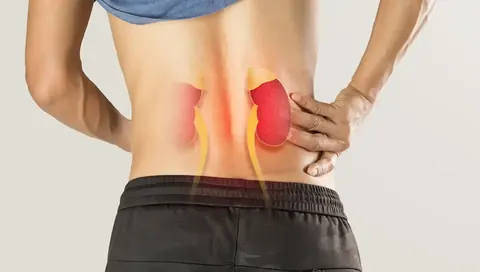
Laser Endoscopic Bladder Stone Surgery in Turkey
Laser-assisted endoscopic bladder stone treatment is a closed surgical method that involves breaking and cleaning stones formed in the bladder with special devices such as holmium laser, by entering through the urinary tract. Also known as cystolithotripsy, this procedure involves reaching the bladder with the aid of a cystoscope, and the stones are turned into dust with laser energy and taken out or reduced in size to be excreted with urine. This method, which does not require an incision on the skin, offers both aesthetic and rapid recovery advantages.
It is a safe and effective option, especially in the treatment of stones that cause complaints such as painful urination, frequent urination, and infection. It is frequently preferred today due to its low complication risk and high success rate.
Get Information on WhatsApp Get Information by Phone 5,0· 107 Google reviews
Contents
What is a Bladder Stone?
A bladder stone is a stone formed as a result of insufficient emptying of urine in the bladder, usually consisting of hard mineral and salt deposits. These stones are formed by the crystallization of urine that remains in the bladder for a long time. It is more common in men, especially in cases that obstruct urine flow, such as prostate enlargement. Although it is rarer in women, urinary tract infections, bladder emptying problems or foreign bodies can lead to stone formation.
Bladder stones may not cause symptoms when they are small, but as they grow, they can cause the following complaints:
- Frequent urination,
- Painful urination,
- Blood in the urine,
- Lower abdominal pain,
- Weakening or interruption of urine flow.
If bladder stones are not treated, they can lead to infections, damage to the bladder wall, and urinary tract obstructions. Diagnosis is usually made by ultrasound, X-ray or cystoscopy. Treatment is performed by laser fragmentation, endoscopic removal, or rarely open surgery, depending on the size of the stone and the patient’s condition.
Laser-Assisted Endoscopic Bladder Stone Treatment
Laser-assisted endoscopic bladder stone treatment is a minimally invasive procedure that does not require incision, in which stones formed in the bladder are broken with a laser by entering through the urinary tract. In this method, a thin, camera-equipped device called a cystoscope is advanced from the urethra to the bladder and the stones are directly visualized. Then, the stones are broken into small pieces or turned into dust using a holmium:YAG laser.
Procedure Stages:
- The patient is usually prepared with general or spinal anesthesia.
- The bladder is reached via cystoscope.
- Stones are broken with laser and the pieces are removed or excreted with urine.
- If necessary, a short-term bladder catheter is placed.
Advantages:
- There is no incision on the skin, it is aesthetically comfortable.
- The risk of bleeding and infection is low.
- It offers rapid recovery and short hospital stay.
- It is suitable for children and elderly patients.
This method is one of the safe, effective and modern treatment options for bladder stones. It provides rapid relief, especially in stones that cause complaints such as bleeding in the urine, pain and frequent urination.
Who is Laser-Assisted Endoscopic Bladder Stone Treatment Suitable For?
Laser-assisted endoscopic bladder stone treatment is suitable for the following patient groups:
Individuals diagnosed with bladder stones
It is especially effective in patients with complaints such as frequent urination, painful urination, blood in the urine, and weakening of urine flow.
Patients who do not want an incision on the skin
It is ideal for individuals who have aesthetic concerns or want to avoid open surgery.
Men with urinary flow problems due to prostate enlargement
It is commonly used in men who develop stones as a result of not being able to fully empty their urine.
Children and elderly patients
It is suitable for all age groups as it is a safe, gentle and rapid method.
Those who experience recurrent urinary tract infections
Since bladder stones can be a source of infection, this treatment both eliminates the stone and reduces the risk of infection.
Patients with large stones but not suitable for open surgery
Laser-assisted closed method is safer in individuals with high surgical risk.
This method can be successfully applied to most patients whose general health condition is suitable and who do not have obstructive anatomical problems such as severe stricture in the urinary tract.
Frequently Asked Questions About Laser-Assisted Endoscopic Bladder Stone Treatment
How is laser bladder stone treatment performed?
The bladder is reached through the urinary tract with a device called a cystoscope. The stones are broken into small pieces or turned into dust with laser and taken out or excreted with urine.
Is pain felt during the procedure?
No. The procedure is performed under local, spinal or general anesthesia. The patient does not feel pain.
How long does it take?
Although it varies depending on the size of the stone, it usually takes between 20–60 minutes.
Is hospitalization required?
Most patients can be discharged on the same day. In some cases, a 1-day stay may be required.
Is a catheter inserted after the procedure?
Yes, a short-term (1–2 days) urinary catheter may be inserted after the procedure to allow the bladder to heal and control urine output.
When can I return to my normal life?
Light activities can usually be done within a few days. Full recovery may take 1 week.
Is laser bladder stone treatment safe?
Yes. It is quite safe and has a low complication rate when performed in experienced hands.
Do the stones recur?
It may recur if the cause of the stone is not treated. Drinking plenty of water, dietary adjustments and regular check-ups are important.
Can all stones be broken with laser?
Yes, systems such as holmium:YAG laser are effective in most stone types. However, open surgery may rarely be required in very large stones.
Can this method be applied to children?
Yes. Laser bladder stone treatment is a method that can be safely applied to pediatric patients.
Laser Endoscopic Bladder Stone Surgery in Bursa, Turkey
Op. Dr. Tuğrul Türker is a urologist in Bursa, Turkey, and sees patients at Private Doruk Nilüfer Hospital. Bursa is reached from Istanbul by road over the Osmangazi Bridge, by ferry across the Sea of Marmara, or through Yenişehir Airport. If you are travelling from abroad for Laser Endoscopic Bladder Stone Surgery, you can send your previous reports and test results on WhatsApp and we will write back about a suitable date. Appointment requests are confirmed only after we reply.
How does the treatment process work?
-
Contact
You contact us via WhatsApp, phone or the form; a suitable examination day is planned for you.
-
Examination and tests
Your complaints are listened to and you are examined; tests are requested if necessary.
-
Treatment plan
The results are evaluated; suitable treatment options and the process are explained to you in detail.
-
Treatment and follow-up
The treatment is carried out; recovery is followed up with check-up visits.
This page is for general information only. Always consult your doctor for diagnosis and treatment.

Patient Reviews
5,0 · 107 Google reviewsGoogle reviews (opens in a new tab) DoktorTakvimi profile (opens in a new tab)
For patients travelling from abroad
Here is how your treatment journey works and how to reach us.
Op. Dr. Tuğrul Türker works at Private Doruk Nilüfer Hospital, which holds the Turkish Ministry of Health authorisation for international health tourism.
- Free initial assessment
- Airport transfer
- Accommodation support
- Translator support
-
Why
Op. Dr. Tuğrul Türker
A graduate of Cerrahpaşa Faculty of Medicine and a urology specialist since 2012. He performs Da Vinci robotic surgery and laser stone and prostate surgery at Private Doruk Nilüfer Hospital.
View -
Why
Bursa, Türkiye
Bursa is a few hours from Istanbul's two international airports by road and ferry, and the city has an airport of its own. Treatment takes place in a fully equipped private hospital.
View -
How it works
The process and getting in touch
Message us on WhatsApp and share the test results you have. Dr. Türker reviews them, a suitable day is agreed, and the examination and treatment take place at the hospital.
Message on WhatsApp
Related treatments

Laser Ureteral Stone Treatment in Turkey
Read more
Related guide articles
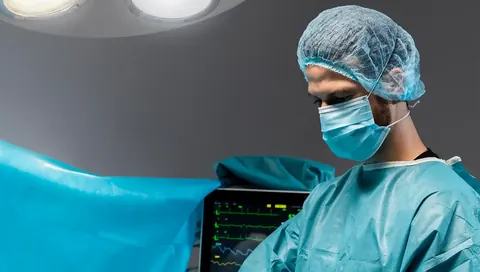
Endoscopic Bladder Stone Treatment
Read more
Methods for Passing Ureteral Stones
Read more
Kidney Stone Treatment with RIRS Method
Read more