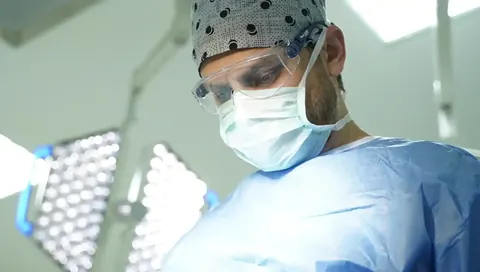
Endoscopic Bladder Stone Treatment
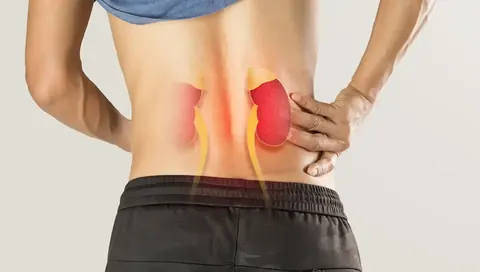
Bladder stones can be an annoying problem that reduces quality of life, with symptoms such as frequent urination, lower abdominal pain, and blood in the urine. However, thanks to the revolutionary developments in the medical world in recent years, this problem is no longer solved with incision, stitch and long recovery period surgeries; minimally invasive, that is, “interventional but non-surgical” solutions.
Endoscopic bladder stone treatment involves entering the bladder through the urinary canal, visualizing the stone, breaking it up with a laser and removing it. In this method, no incisions are made on the skin. The patient can be discharged on the same day and return to his normal life within a few days. Especially thanks to the integration of laser technology, stones are broken down at the millimeter level, completely cleaned and the risk of reformation is reduced.
This comfortable and permanent solution offered by today’s urology leaves no aesthetic scars and minimizes the risks caused by classical surgeries. In short, the era of modern, fast and effective treatment for bladder stones has begun.
Contents
- Permanent and Comfortable Solution to Bladder Stones with Endoscopic Methods
- What is the Endoscopic Method? – Incision-Free, Comfortable and Fast Intervention Period
- Why is it preferred? – Why are endoscopic methods so popular?
- Who is it suitable for? – Smart intervention in bladder stone with endoscopic method
Permanent and Comfortable Solution to Bladder Stones with Endoscopic Methods
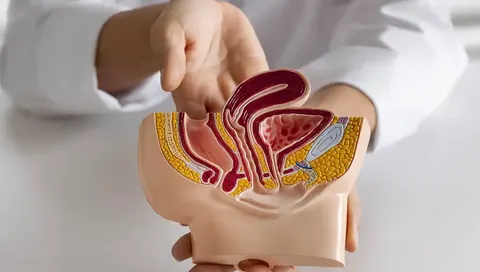
Bladder stones are formations that form in the urinary bladder and often cause disorders that seriously affect the quality of life, such as pain, frequent urination, and bloody urine. However, today, classical surgeries with painful and long healing processes are no longer needed for these stones. Endoscopic stone treatments have become the most effective options in modern medicine by offering both comfortable and permanent solutions.
What is the Endoscopic Method? – Incision-Free, Comfortable and Fast Intervention Period
Endoscopic methods refer to procedures performed without incisions and stitches, where modern medicine has redefined surgery. This technique, which has revolutionized urology, especially in the treatment of bladder and kidney stones, offers maximum comfort and minimum risk to the patient.
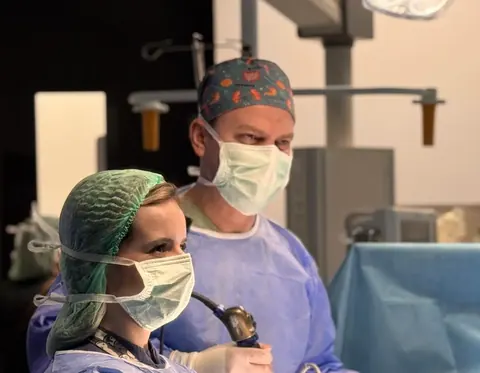
The endoscopic method used in bladder stones is a form of treatment in which the bladder is reached by entering through the urinary tract and the stone is directly visualized and broken up with a laser. No incisions are made on the skin during the procedure; From the outside, the patient does not appear to have undergone any surgical intervention. Thanks to advanced camera systems and laser technologies, stones are broken with millimeter precision, pieces are taken out or disposed of naturally.
The biggest advantage of the endoscopic method is that it offers the opportunity to be discharged on the same day and return to daily life in a very short time . It is almost a “smart surgery” solution for patients who have aesthetic concerns, are afraid of open surgery or want to recover quickly.
In short, the endoscopic method; It is one of the most shining examples of modern medical practices with traceless, fast and high success rates. Stones are no longer treated with painful surgeries or weeks of recovery – they are eliminated with age-breaking comfort.
Why is it preferred? – Why are endoscopic methods so popular?
Endoscopic methods stand out as a concrete reflection of the understanding of “comfortable medicine”, especially in the treatment of bladder stones. Unlike classical open surgeries, these techniques, which offer a scarless, painless and fast recovery process, are increasingly preferred by both patients and doctors. Here are the main reasons that have increased the popularity of this method:
- Incisionless Intervention, Aesthetic Advantage
- Same Day Discharge
- Quick Recovery, Quick Return
- Effective Stone Crushing with Laser Technology
- Minimal Risk of Complications
- Suitable for a Wide Patient Profile
In summary, endoscopic methods fully respond to the patient expectations of the modern age: painless, scarless, fast and effective. “Fear of surgery” is becoming a thing of the past; Patients get rid of stones with smart technologies. Therefore, this method is no longer just a choice, but is becoming the first and most logical option for most patients.
Who is it suitable for? – Smart intervention in bladder stone with endoscopic method
Endoscopic bladder stone treatment is becoming the primary choice for more and more patients as one of the safe, fast and aesthetic solutions offered by modern medicine. So who is this method ideal for? Here is the patient profile that will benefit the most from endoscopic stone treatment:
- Elderly and Patients at Risk of Surgery
- Patients Seeking Aesthetics and Comfort
- Those who have had open surgery before
- Those Waiting for a Quick Recovery
- Those with Recurrent Bladder Stone Problems
- Those Who Are Afraid of the Risk of Pain and Complications
Endoscopic bladder stone treatment both reduces medical risks and improves quality of life. For anyone who wants to stay away from open surgery, recover quickly and look for a “scarless, smart solution”, this method is one of the most ideal options of the modern age.
This page is for general information only. Always consult your doctor for diagnosis and treatment.