
Bladder Cancer: The Diagnosis and Treatment Process Step by Step
Bladder cancer arises from the uncontrolled growth of the cells lining the inside of the bladder and is one of the most common cancers of the urinary system. It often starts silently; its first and most important sign is usually painless blood in the urine. When noticed at an early stage, the treatment process can be shorter and less exhausting.
In this article you will find, step by step, how the diagnosis and treatment process generally works when you see a doctor with blood in the urine or a similar complaint.
Contents
Step 1: Noticing the Symptom
The main symptoms to watch for in bladder cancer are:
- Blood in the urine (haematuria) — it may be bright red or brown, or detected only in a urine test
- A sudden urge to urinate and urinating more often than usual
- Pain, burning or difficulty when urinating
- Pain in the groin and lower abdomen
Blood in the urine can also be caused by infection, stones or medication use. A specialist evaluation is needed to tell these causes apart. For details, you can read our article If You See Blood in the Urine, Beware!
Step 2: Diagnostic Tests
Physical examination has a limited role in diagnosing bladder cancer; the diagnosis is made mainly with laboratory and imaging tests. Tests your doctor may consider necessary include:
- Urinalysis and urine cytology
- Ultrasonography
- Imaging methods such as computed tomography and MRI
- Cystoscopy: viewing the inside of the bladder with a thin camera inserted through the urethra
- Biopsy
Step 3: Staging
After the diagnosis, the extent of the disease is determined. Staging assesses how far the tumour has grown into the bladder wall and whether it has spread to the lymph nodes or other organs. The most important question that determines the treatment plan is whether the tumour has reached the muscle layer of the bladder.
Step 4: Treatment
Treatment is planned individually, taking into account the location, grade and stage of the tumour, and the patient's age and general health:
- In tumours that have not reached the muscle layer: Removal of the tumour with a closed method through the urethra (TUR-BT), followed if necessary by medication instilled into the bladder (BCG or chemotherapy).
- In tumours that have reached the muscle layer: Removal of all or part of the bladder (cystectomy) and chemotherapy if needed. In suitable patients these operations can be performed with robotic surgery.
- In advanced stages: Chemotherapy, immunotherapy and targeted therapies.
For detailed information about treatment options, see our bladder cancer treatment page.
Step 5: Regular Follow-up
Bladder cancer is a disease that can tend to recur. For this reason, cystoscopy and follow-up tests are performed at regular intervals after treatment. Not missing check-ups is the most important step for catching a possible recurrence early. Quitting smoking, drinking plenty of water and avoiding exposure to chemicals are among the recommended lifestyle changes.
Frequently Asked Questions About the Diagnosis and Treatment of Bladder Cancer
What is cystoscopy?
It is a procedure in which the inside of the bladder is viewed with a thin camera inserted through the urethra. It is used both in diagnosis and in follow-up after treatment.
Is bladder cancer contagious?
No, bladder cancer is not contagious.
How long do check-ups need to continue after treatment?
Because bladder cancer can recur, follow-up is long-term. Your doctor determines the intervals according to the stage of the disease and the treatment.
This page is for general information only. Always consult your doctor for diagnosis and treatment.

Related guide articles

Related treatments

Bladder Cancer Treatment in Turkey
Read more
Overactive Bladder Treatment in Turkey
Read more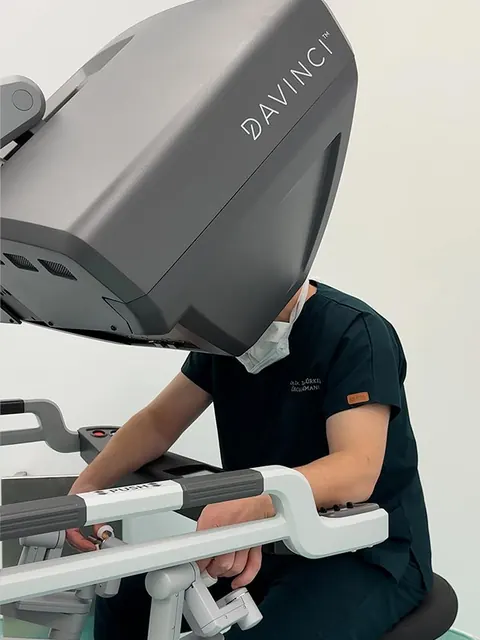
Robotic Bladder Cancer Surgery in Turkey
Read more
Testicular Cancer Treatment in Turkey
Read more