
Penile Curvature Treatment in Turkey
Penile curvature is a condition where the penis bends at an unnatural angle (to the right, left, up, or down) during erection. Mild curvatures are generally considered normal and do not affect sexual intercourse. However, when the curvature becomes more pronounced, it can cause pain, erectile problems, or difficulties during sexual intercourse.
Penile curvature can be congenital (present from birth) or develop later in life. The most common cause of acquired curvature is Peyronie’s disease. This condition leads to the formation of hard plaques inside the penis and loss of tissue elasticity. Trauma, micro-injuries, and connective tissue disorders can trigger this process.
Get Information on WhatsApp Get Information by Phone 5,0· 107 Google reviews
Contents
What is penile curvature?
Penile curvature is a condition where the penis does not maintain a straight line along its normal anatomical axis during erection and noticeably bends in one direction (right, left, up, or down). This condition can be congenital or develop later in life. When the curvature is mild, it usually doesn’t require treatment; however, significant curvatures can cause pain during sexual intercourse, erectile problems, or difficulty with intercourse.
Penile curvature is classified into two main categories:
Congenital penile curvature: A deformity present from birth and usually noticed during childhood or adolescence. There is no underlying plaque formation.
Acquired penile curvature (Peyronie’s disease): Usually appears in adulthood. It develops due to the formation of hardened plaques in the penile connective tissue. These plaques disrupt the penis’s flexibility, leading to curvature.
While penile curvature may only be a cosmetic concern for some men, for others it can be severe enough to make sexual intercourse difficult or impossible. Early diagnosis and appropriate treatment can control or correct the curvature.
What are the symptoms of penile deformity?
Penile deformity becomes more noticeable during erection and can manifest with different complaints. The symptoms of this condition can vary depending on the degree of curvature, its cause, and accompanying structural changes.
Most Common Symptoms:
- Noticeable curvature during erection: The penis visibly curves in one direction (right, left, up, or down).
- Difficulty during sexual intercourse: Penetration may be difficult or painful due to the curvature.
- Penile pain: Especially in Peyronie’s disease, pain may occur during erection or at rest.
- Shortened penis length: The penis may appear shorter than normal due to the curvature.
- Hardness or plaque in the penis: In Peyronie’s disease, a hard, palpable tissue (plaque) may be felt in the penis.
- Erectile problems (erectile dysfunction): In some cases, the curvature may prevent achieving or maintaining adequate erection.
- Psychological effects: Loss of confidence, anxiety, and decreased sexual desire may occur due to appearance or functional issues.
If one or more of these symptoms become persistent, it’s important to consult a urologist to determine the underlying cause and develop an appropriate treatment plan. Early intervention can prevent progression and negative impacts on sexual life.
What causes penile curvature?
Penile curvature can be congenital or develop later in life, and can occur due to various causes. The causes are examined in two main groups based on the source of the curvature:
Causes of Congenital Penile Curvature
- Developmental tissue differences: Uneven tissue development in the internal structure of the penis can cause curvature.
- Congenital anomalies like hypospadias: Deviation from normal urethral placement can cause curvature on the underside of the penis.
- Genetic predisposition: Some congenital curvatures may show familial transmission.
Causes of Acquired Penile Curvature
This condition is usually associated with Peyronie’s disease.
Treatment and Causes of Peyronie’s Disease:
- Micro-traumas: Small tears can form in the penis’s internal tissue due to strain or bending during sexual intercourse.
- Abnormal tissue healing: Tissue healing after trauma develops differently than normal, forming hard tissues called “plaques.” These plaques disrupt penis flexibility, causing curvature.
- Autoimmune processes: Plaque formation can be triggered by the immune system attacking its own tissues.
- Certain medications or health issues: Systemic diseases affecting connective tissue or certain medications can rarely cause curvature.
Other Risk Factors
- Advanced age: Decreased tissue elasticity and impaired healing processes with aging can predispose to curvature.
- Smoking and alcohol: Can increase the risk of Peyronie’s disease by negatively affecting tissue healing.
- Chronic diseases like diabetes, hypertension: Can trigger curvature development by affecting vascular structure and tissue repair.
Correctly determining the cause of curvature is critical for selecting the appropriate treatment method. It is recommended to consult a urologist without delay, especially for sudden onset or progressive curvatures.
How is penile curvature diagnosed?
Penile curvature is typically diagnosed through patient complaints, physical examination, and some imaging methods. The diagnostic process aims to reveal the cause, degree of curvature, and structural abnormalities in the penis.
- Patient History (Anamnesis)
- Physical Examination
- Imaging Methods
- If erectile problems are present, hormone tests or erectile dysfunction investigations may be performed.
The diagnostic process aims to determine whether the curvature is congenital or acquired, its severity, and treatment needs. Early diagnosis plays an important role in improving treatment success and patient quality of life.
What are the treatment methods for penile curvature?
The goal in treating penile curvature is to both improve physical appearance and restore sexual function. The method to be applied is determined based on the type of curvature (congenital or acquired), degree, accompanying complaints, and impact on the patient’s quality of life.
- Natural Process Monitoring (Active Surveillance)
- Medical Treatments
- Physical Treatments
- Surgical Options
- Psychological Support and Sexual Counseling
Early awareness and professional support in penile curvature treatment are crucial for preventing progression. Since appropriate treatment may differ for each patient, decisions should be made under urologist guidance with individual assessment.
Frequently asked questions about penile curvature
Is penile curvature normal?
Mild curvatures (up to 10-20 degrees) are common and generally normal. However, treatment may be necessary if the curvature makes sexual intercourse difficult or causes pain.
Does Peyronie’s disease go away on its own?
There may be slight regression in some cases during the early stage of the disease. However, treatment is usually necessary as the curvature can progress or become permanent.
Does penile curvature cause pain?
Yes, pain during erection is a common symptom, especially in the early stages of Peyronie’s disease.
Does it prevent sexual intercourse?
Depending on the degree of curvature, it can cause pain, difficulties during intercourse, or discomfort for the partner. In severe cases, intercourse may become impossible.
Is it possible to treat the curvature?
Yes. While observation or medication may be sufficient for mild cases, surgical intervention is an effective solution for serious curvatures.
Does the penis shorten after surgery?
There may be some shortening in the plication (suturing) method. Techniques like grafting can reduce this risk.
Does penile curvature affect sexual desire?
It doesn’t affect it directly. However, decreased sexual desire may occur indirectly due to pain, fear of failure, or difficulties with intercourse.
Does every curvature need surgical correction?
No. The treatment method is determined based on the degree of curvature, its effect on sexual function, and the patient’s level of complaint.
When should one consult a urologist?
A urologist should be consulted without delay if the curvature becomes noticeable, if there is pain, if it affects intercourse, or if progression is observed.
Penile Curvature Treatment in Bursa, Turkey
Op. Dr. Tuğrul Türker is a urologist in Bursa, Turkey, and sees patients at Private Doruk Nilüfer Hospital. Bursa is reached from Istanbul by road over the Osmangazi Bridge, by ferry across the Sea of Marmara, or through Yenişehir Airport. If you are travelling from abroad for Penile Curvature Treatment, you can send your previous reports and test results on WhatsApp and we will write back about a suitable date. Appointment requests are confirmed only after we reply.
How does the treatment process work?
-
Contact
You contact us via WhatsApp, phone or the form; a suitable examination day is planned for you.
-
Examination and tests
Your complaints are listened to and you are examined; tests are requested if necessary.
-
Treatment plan
The results are evaluated; suitable treatment options and the process are explained to you in detail.
-
Treatment and follow-up
The treatment is carried out; recovery is followed up with check-up visits.
This page is for general information only. Always consult your doctor for diagnosis and treatment.

Patient Reviews
5,0 · 107 Google reviewsGoogle reviews (opens in a new tab) DoktorTakvimi profile (opens in a new tab)
For patients travelling from abroad
Here is how your treatment journey works and how to reach us.
Op. Dr. Tuğrul Türker works at Private Doruk Nilüfer Hospital, which holds the Turkish Ministry of Health authorisation for international health tourism.
- Free initial assessment
- Airport transfer
- Accommodation support
- Translator support
-
Why
Op. Dr. Tuğrul Türker
A graduate of Cerrahpaşa Faculty of Medicine and a urology specialist since 2012. He performs Da Vinci robotic surgery and laser stone and prostate surgery at Private Doruk Nilüfer Hospital.
View -
Why
Bursa, Türkiye
Bursa is a few hours from Istanbul's two international airports by road and ferry, and the city has an airport of its own. Treatment takes place in a fully equipped private hospital.
View -
How it works
The process and getting in touch
Message us on WhatsApp and share the test results you have. Dr. Türker reviews them, a suitable day is agreed, and the examination and treatment take place at the hospital.
Message on WhatsApp
Related treatments
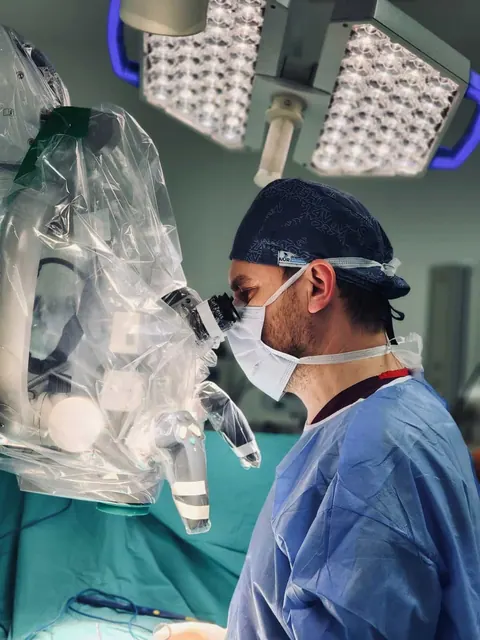
Varicocele Treatment in Turkey
Read more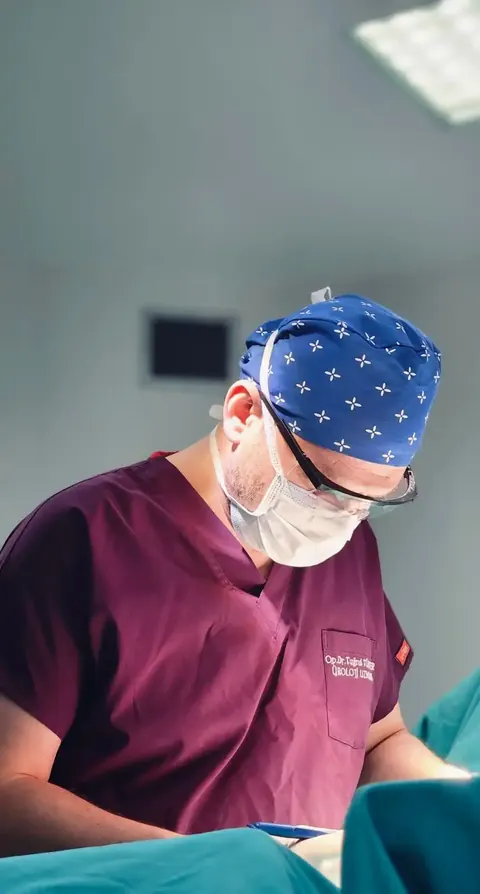
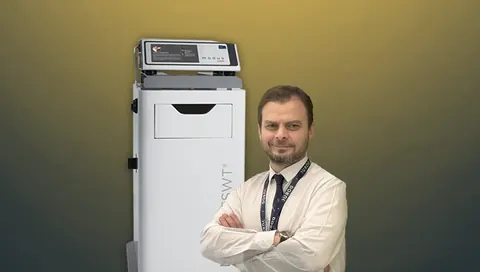
ESWT (Shock Wave) Treatment in Turkey
Read more
Related guide articles
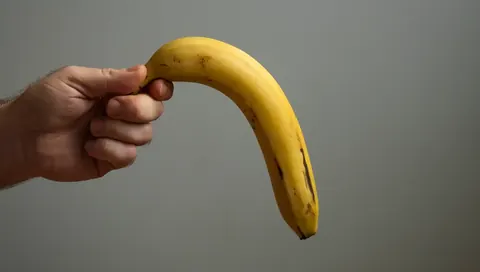
Can Penile Curvature Be Treated?
Read more
Is ESWT Application Painful?
Read more