
Is ESWT Application Painful?
Low-Intensity Extracorporeal Shock Wave Therapy ( Li-ESWT) is a non-invasive (non-surgical) treatment method that has been increasingly used in urology practice in recent years. Although ESWT was first used in orthopedics, it stands out as an effective option in the field of urology, especially in the treatment of conditions such as erectile dysfunction, penile curvature (Peyronie’s disease) and chronic pelvic pain syndrome .
In this method, sound waves applied from outside the body are transmitted to the target tissue. The goal is to trigger the natural healing process by creating microtraumas in the tissue, increase blood flow, and soften or dissolve plaques in the connective tissue. The treatment is usually applied in weekly sessions, with each session lasting approximately 15-20 minutes. Anesthesia is usually not required during this procedure, which is painless or mildly uncomfortable.
As of 2025, research shows that ESWT is beneficial for reducing pain and softening plaque tissue, especially in early-stage penile curvature. In patients with erectile dysfunction, it can increase sexual function by contributing to the improvement of vascular structure. Even in more resistant conditions such as chronic pelvic pain syndrome, it is reported to be able to provide significant improvements in quality of life.
Contents
ESWT is generally preferred because it is a low-risk and patient-comfortable method. However, it should be noted that it may not be suitable for all patients and may need to be combined with surgery or medication in some cases.
You can find more detailed information about how ESWT is applied, in which diseases it is used and its success rate on our ESWT Treatment Bursa page.
ESWT in Urology: Incisionless Healing with Shock Wave
When you think of “shock wave”, do you immediately think of kidney stones? You’re right, but ESWT is so much more! Shock wave applications in urology offer effective, minimally invasive solutions in many areas, from stone breaking to erectile dysfunction. Let’s take a look at the details together.
ESWT stands for high-energy acoustic shock waves applied outside the body. The magic is that these waves focus on the target and create the desired effect on the tissue:
- ESWL: Breaking kidney and ureteral stones with high-energy waves
- Low and medium intensity ESWT/LSWT: It is applied to conditions such as erectile dysfunction, chronic prostatitis, Peyronie’s disease with effects such as tissue regeneration, vascular formation, and reduction of inflammation.
Uses of ESWT in Urology:
- Kidney Stone Crushing (ESWL)
- Erectile Dysfunction, Peyronie’s, Chronic Prostatitis (Low-Intensity ESWT)
Advantages and Limitations:
Advantages:
- Incision-free, suture-free, anesthetic-free option (especially for LSWT/ED)
- Fast discharge, low risk.
- If the alternative is not enough, it can be applied again.
Limitations:
- Partial effect on large stones in ESWL: Some patients may require more than one session or different method.
- The mechanism of low-intensity ESWT is not yet fully understood, and the response may be variable in some patients.
ESWT provides a non-invasive approach beyond minimally invasive in today’s urology. ESWL in lithotripsy, LSWT in erectile dysfunction… Each of them offers hope for the modern patient profile looking for incision-free treatment methods. Of course, like any method, it has risks; The success rate increases with the right patient selection, doctor control and expectation management.
If you are considering this type of treatment, talk to a urologist! With transparent information and professional support, a comfortable solution with a “shock wave” can await you.
ESWT Application in Urology: Is it Painful? When Does the Effect Start?
Low-intensity shock wave therapy (Li-ESWT) has come to the fore as a non-surgical and patient-friendly treatment method that has been frequently used in the field of urology in recent years. This method, which is especially preferred for problems such as erectile dysfunction, penile curvature and chronic pelvic pain, attracts attention due to its painless applicability and contribution to treatment.
But is this procedure really painless? And when do patients start to feel the effect?
Is There Any Pain During the Application?
In ESWT application, externally controlled sound waves are given to the patient’s body. During this process:
- Anesthesia is usually not required.
- The patient describes only a slight stinging or “vibrating sensation”.
- Redness, slight bruising or tenderness may occur on the skin, but this is temporary.
- In individuals with a low pain threshold, local anesthetic gel can be used before the application.
Research shows that ESWT can be tolerated without pain or with mild discomfort at most. For this reason, it is accepted as a treatment that can be safely applied in a clinical setting.
When Does the Effect Start?
The effect of ESWT can occur in different time periods depending on the reason for the application:
For Erectile Dysfunction:
- The first effects are usually felt within 2–4 weeks .
- Within 6-12 weeks, the vascular structure begins to heal, and stronger and more sustainable hardening can be achieved.
- The effect becomes more evident after regular sessions (usually 1–2 times a week, 6–12 sessions in total).
For Penile Curvature (Peyronie’s Disease):
- A decrease in pain is expected in the first 3-4 weeks .
- Plaque softening and reduction in curvature are usually observed after the 2nd month .
- The effect may be more pronounced in combination with other treatments (withdrawal device, drug injection).
For Chronic Pelvic Pain Syndrome:
- The feeling of relaxation usually starts after 3-5 sessions .
- With the decrease in muscle tension and nervous sensitivity, urinary and sexual complaints are relieved.
ESWT is a modern treatment option in the field of urology that is painless, reliable and can be planned specifically for the patient. There is no serious discomfort during the application and patients can usually return to their daily lives immediately after the session. The duration of action varies depending on the condition being treated, but with regular application, the results can be clinically significant.
What Should Be Considered After ESWT? Don't Surprise After the Shock Wave
ESWT (Extracorporeal Shock Wave Therapy), whether applied to break a kidney stone or to eliminate erection problems, often results in a bladeless, seamless, fast procedure. However, what to do in the post-treatment period is at least as important as the application.
- Generally, it is not necessary to stay in the hospital after the procedure.
- It is wise to avoid heavy lifting and intense exercise on the first day.
- Drinking plenty of water facilitates the removal of stone fragments, especially after ESWL for kidney stones.
- Light bleeding in the urine goes away within 1-2 days.
- There may be mild back pain, burning when urinating. Blunt pain may be experienced as the stone fragments come out.
- If it is applied for erectile dysfunction or prostatitis (LSWT): Mild tenderness or bruising at the application site Rarely, burning in the urine and frequent urination may occur. These usually go away on their own within 24–72 hours . If it becomes severe, contact your doctor.
What to Avoid?
- Heavy exercise, sauna, hot bath: Not recommended, especially in the first 48 hours.
- Sexual activity: It is usually recommended to take a break for a few days after ED treatment.
- Use of painkillers: Some medications, such as aspirin or ibuprofen, should not be taken without a doctor’s recommendation as they can prevent vein formation.
Follow-up is Important
ESWT may not be finished in a single session. Generally:
- 6 sessions for ED (2 times a week),
- 6–12 sessions for prostatitis/Peyronie’s,
- 1–3 sessions for kidney stones
Going for scheduled check-ups increases the effectiveness of the procedure.
This page is for general information only. Always consult your doctor for diagnosis and treatment.

Related guide articles

Is Penile Filling Treatment Permanent?
Read more
Can Penile Curvature Be Treated?
Read more
Premature Ejaculation Solutions
Read more
Related treatments
Varicocele Surgery in Turkey
Read more
Varicocele Treatment in Turkey
Read more
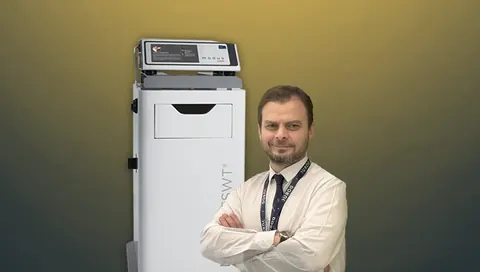
ESWT (Shock Wave) Treatment in Turkey
Read more