
Gonorrhea Treatment in Turkey
Gonorrhea is a common sexually transmitted infectious disease caused by the bacterium Neisseria gonorrhoeae . It can affect both men and women, most commonly causing infection in mucosal areas such as the urethra, cervix, rectum, throat, and, rarely, the eye. This disease transmitted by sexual contact; It can spread through vaginal, anal or oral intercourse. Gonorrhea is especially common among young adults.
While the disease may not show any symptoms in some individuals; In most people, it can manifest itself with complaints such as painful urination, genital discharge and burning in the urinary tract. In women, it can progress without symptoms and lead to serious complications. When left untreated, serious health problems such as infertility, ectopic pregnancy, chronic pelvic pain, and the spread of infection throughout the body can develop.
Get Information on WhatsApp Get Information by Phone 5,0· 107 Google reviews
Contents
What is gonorrhea?
Gonorrhea is a contagious sexually transmitted disease caused by the bacterium Neisseria gonorrhoeae, medically called gonorrhea. This bacterium usually targets moist mucosal surfaces in the body. The most commonly affected areas include the urethra (urinary canal), cervix, rectum, throat, and rarely the eye. Disease; It is transmitted through vaginal, anal or oral sexual contact. It can be seen in both women and men. The infection is more common, especially in young sexually active individuals.
Gonorrhea can often progress silently without symptoms. In individuals showing symptoms, complaints such as painful urination, discharge from the penis are frequently seen in men, and vaginal discharge, groin pain and non-menstrual bleeding in women. If left untreated, it can cause serious health problems; Complications such as pelvic inflammatory disease (PID) in women and epididymitis in men may develop. It can also pose a risk of infertility in both women and men.
Gonorrhea can be cured with appropriate antibiotic therapy. However, the treatment plan should be done with caution, as some bacterial strains have developed resistance to antibiotics in recent years. To prevent the spread of the infection, it is crucial to get tested regularly, avoid unprotected relationships, and have partners of infected individuals treated as well.
What are the symptoms of gonorrhea?
While gonorrhea can progress without symptoms in some individuals, it can occur differently in men and women in those who show symptoms. Symptoms usually begin to appear within 2 to 10 days after sexual intercourse.
Symptoms of Gonorrhea in Men:
- Burning and pain when urinating
- White, yellow, or green discharge from the penis
- Pain or swelling in the testicles
- Frequent urge to urinate
- Rarely, itching, discharge or bleeding in the rectum (after anal contact)
Symptoms of Gonorrhea in Women:
- Vaginal discharge (often yellow or greenish)
- Pain or burning sensation when urinating
- Lower abdominal or groin pain
- Non-menstrual bleeding
- Pain during sexual intercourse
- Itching, discharge, or pain if there is a rectal infection
Symptoms that can be seen in other areas:
- Infection in the throat: It is usually asymptomatic, sometimes a sore throat may occur.
- Eye infection (conjunctivitis): Redness, swelling and purulent discharge in the eye
- Rectal infection: Itching, discharge, pain, blood in the stool
- Systemic Spread: In rare cases, the bacteria can enter the blood, leading to serious conditions such as joint inflammation, skin rashes, and fever.
Most people with gonorrhea can transmit the disease to others without realizing it. For this reason, it is important for individuals who have unprotected sexual contact to have regular screening and consult a physician in case of suspicious symptoms.
How is gonorrhea diagnosed?
Gonorrhea (gonorrhea) is diagnosed by examining samples taken by specialist physicians in a laboratory environment. Several different methods can be used to definitively identify the infection.
- Physical Examination and Anamnesis
- A swab sample is taken from inside the urethra (urinary canal) in men and from the cervix in women. If anal or oral contact is suspected, samples can also be taken from the throat and rectum.
- In men, especially the first morning urine is used to detect the DNA of the gonorrhea bacteria. It is a non-invasive (non-invasive to the body) and easy test method.
- NAAT (Nucleic Acid Amplification Test)
- Bacterial Culture
- If gonorrhea is suspected to have spread to the blood, an investigation for systemic infection may be carried out.
Gonorrhea often coexists with other sexually transmitted diseases such as chlamydia . Therefore, it is recommended to be tested for other sexual diseases simultaneously at the diagnosis stage. Early diagnosis is of great importance for both the health of the individual and the prevention of transmission. Even if there is no complaint after risky sexual intercourse, getting tested is effective in preventing the spread of the disease.
What are the gonorrhea treatment methods?
Gonorrhea (gonorrhea) is a sexually transmitted disease that can be effectively treated when diagnosed early. The goal of treatment is to completely eliminate the infection, prevent complications, and stop transmission.
Antibiotic Therapy
Antibiotics are the mainstay of gonorrhea treatment. However, since antibiotic resistance has developed in some gonorrhea strains in recent years, combined antibiotic therapy is recommended according to current guidelines worldwide .
Commonly Used Treatment:
- Ceftriaxone (Ceftriaxone): It is administered intramuscularly as a single dose.
- Azithromycin or Doxycycline: May be given orally as adjunctive therapy (especially if there is concomitant chlamydia infection).
Partner Treatment
The sexual partner(s) of the infected individual should also be treated simultaneously . Otherwise, re-infection and spread of infection in the community may occur.
Restriction of Sexual Intercourse
It is important to avoid sexual intercourse until treatment is completed and symptoms are completely gone. The infection can continue to be contagious.
Follow-up and Control Tests
- The patient’s symptoms should have decreased within 7-10 days after treatment; In some cases, a post-treatment control test (Test of Cure) is recommended.
Management of Complications
Complications that may occur in untreated cases:
- In women: Pelvic inflammatory disease (PID), ectopic pregnancy, infertility
- In men: Epididymitis, prostatitis
- In both sexes: Disseminated gonococcal infection (spread to the blood)
If such conditions develop, further treatment may be required in the hospital.
Can the five colds be prevented?
Yes, gonorrhea (gonorrhea) is a preventable disease. The risk of gonorrhea can be greatly reduced by taking some effective measures to prevent sexually transmitted infections.
Ways to Prevent Gonorrhea:
- Correct and regular use of condoms during sexual intercourse is the most effective way to prevent the transmission of infection.
- Condoms are not only pregnant foods; It also prevents sexual diseases that can be transmitted vaginally, anal and orally.
- Limiting the number of sexual partners and being mutually monogamous reduces the risk of transmission. It is important to know about the partner’s sexual health.
- It is important for individuals with multiple sexual partners to be tested regularly, both for their own health and for public health. The disease can also be transmitted from asymptomatic carriers.
- If the partner has discharge, sores or other suspicious symptoms before sexual intercourse, intercourse should be postponed and medical evaluation should be performed.
- Personal hygiene, especially genital area hygiene, helps reduce the risk of infection.
- Simultaneous treatment of partners of infected individuals prevents re-infection.
Gonorrhea is a preventable infection. Avoiding unprotected sex, getting tested regularly and exhibiting conscious sexual behavior are of great importance to prevent the spread and complications of the disease. Remember, sexual health is both an individual and a social responsibility.
Frequently asked questions about gonorrhea
Is gonorrhea only transmitted through sexual intercourse?
No, it is usually transmitted through vaginal, anal, or oral sexual contact. In rare cases, it can also be passed from the toilet, saunas and baths in the form of contact or from mother to baby during childbirth.
Where can gonorrhea infect the body?
Main:
- In men: Urethra and testicles
- In women: Cervix, fallopian tubes, uterus
- In both sexes: Rectum, throat and eye
Can gonorrhea be asymptomatic?
Yes. Especially in women, the infection can progress without symptoms. This can lead to its transmission to others unnoticed.
Can it be transmitted again after treatment?
Yes. Even if treated, the person can become infected again. Therefore, unprotected sexual intercourse should be avoided and partners should also be treated.
Does gonorrhea cause infertility?
Yes. If left untreated, it can cause ectopic pregnancy or infertility by damaging the tubes in women and obstruction in the sperm ducts in men.
Does gonorrhea go away on its own?
No. If left untreated, the infection can spread and lead to serious complications. Antibiotic therapy is required.
Is it possible to prevent gonorrhea?
Yes. It is possible to be protected with measures such as condom use, monogamous sexual life, regular health checks and treatment of the partner
Gonorrhea Treatment in Bursa, Turkey
Op. Dr. Tuğrul Türker is a urologist in Bursa, Turkey, and sees patients at Private Doruk Nilüfer Hospital. Bursa is reached from Istanbul by road over the Osmangazi Bridge, by ferry across the Sea of Marmara, or through Yenişehir Airport. If you are travelling from abroad for Gonorrhea Treatment, you can send your previous reports and test results on WhatsApp and we will write back about a suitable date. Appointment requests are confirmed only after we reply.
How does the treatment process work?
-
Contact
You contact us via WhatsApp, phone or the form; a suitable examination day is planned for you.
-
Examination and tests
Your complaints are listened to and you are examined; tests are requested if necessary.
-
Treatment plan
The results are evaluated; suitable treatment options and the process are explained to you in detail.
-
Treatment and follow-up
The treatment is carried out; recovery is followed up with check-up visits.
This page is for general information only. Always consult your doctor for diagnosis and treatment.

Patient Reviews
5,0 · 107 Google reviewsGoogle reviews (opens in a new tab) DoktorTakvimi profile (opens in a new tab)
For patients travelling from abroad
Here is how your treatment journey works and how to reach us.
Op. Dr. Tuğrul Türker works at Private Doruk Nilüfer Hospital, which holds the Turkish Ministry of Health authorisation for international health tourism.
- Free initial assessment
- Airport transfer
- Accommodation support
- Translator support
-
Why
Op. Dr. Tuğrul Türker
A graduate of Cerrahpaşa Faculty of Medicine and a urology specialist since 2012. He performs Da Vinci robotic surgery and laser stone and prostate surgery at Private Doruk Nilüfer Hospital.
View -
Why
Bursa, Türkiye
Bursa is a few hours from Istanbul's two international airports by road and ferry, and the city has an airport of its own. Treatment takes place in a fully equipped private hospital.
View -
How it works
The process and getting in touch
Message us on WhatsApp and share the test results you have. Dr. Türker reviews them, a suitable day is agreed, and the examination and treatment take place at the hospital.
Message on WhatsApp
Related treatments
Wart (Condyloma) Treatment in Turkey
Read more

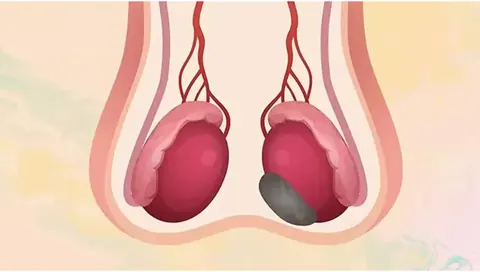
Epididymitis Treatment
Read more
Related guide articles

-
Precautions for Urinary Tract Infections
Read more