
Testicular Cancer Treatment in Turkey
Testicular cancer is a type of cancer that develops in the reproductive organs called testicles in men, which are responsible for producing sperm and testosterone. It is usually seen in men between the ages of 15 and 40 and usually starts in a single testicle. The most common type is “germ cell tumors”. When detected at an early stage, the success of treatment is quite high.
The most common symptoms include painless swelling in the testicle, stiffness, or a change in testicular size. Diagnosis is usually made through physical examination, ultrasonography and blood tests. Therapy; It is planned individually with methods such as surgery, radiotherapy and chemotherapy. Regular testicular examination plays a critical role in early diagnosis.
Get Information on WhatsApp Get Information by Phone 5,0· 107 Google reviews
Contents
- What is testicular cancer?
- What are the types of testicular cancer?
- What causes testicular cancer?
- What are the symptoms of testicular cancer?
- What are the risk factors for testicular cancer?
- How is testicular cancer diagnosed?
- What are the treatment methods for testicular cancer?
- Can testicular cancer be prevented?
- Frequently asked questions about testicular cancer
- Testicular Cancer Treatment in Bursa, Turkey
What is testicular cancer?
Testicular cancer refers to malignant tumors that develop in the testicles (male ovaries) located within the male reproductive system. The testicles are located in the bag called the scrotum and are responsible for the production of both sperm and the hormone testosterone. Although this type of cancer is rare, it is one of the most common types of cancer, especially among young men between the ages of 15 and 40. It usually occurs in only one testicle, but can rarely affect both testicles.
Testicular cancer is a type of cancer that usually grows rapidly but responds very well to treatment . When diagnosed at an early stage, treatment success is over 95%. Therefore, it is of great importance for men to manually check their own testicles at regular intervals.
The most common type of testicular cancer is “germ cell tumors” and they are divided into two main groups: seminoma and non-seminoma. Both groups may have a different course, but they are highly treatable.
What are the types of testicular cancer?
Testicular cancer is largely classified as germ cell tumors . These tumors arise from the sperm-producing cells within the testicle and account for 90-95% of all testicular cancers. Germ cell tumors are classified into two main groups:
Seminomas
- It usually grows more slowly and spreads later.
- It is sensitive to radiotherapy and chemotherapy.
- It is common in young adults.
- The prognosis is generally very good.
Non-seminomas
- They are tumors that grow faster and tend to spread early.
- It is divided into different subtypes:
Embryonal carcinoma
Yolk sac tumor (especially in children)
Choriocarcinoma
Teratoma
Sex cord stromal tumors (rare)
- Leydig cell and Sertoli cell tumors fall into this group.
- It is usually benign, but some can be malignant.
- It accounts for 5-10% of non-germ cell testicular tumors.
Carcinoma in situ (CIS)
- They are cellular abnormalities that are not yet invasive and detected at an early stage.
- Over time, it can develop into invasive testicular cancer.
In some cases of testicular cancer, the tumor may be of a mixed type. In this case, treatment is planned according to the dominant cell type. Treatment and prognosis are shaped by the type and stage of cancer and the patient’s general health condition. Therefore, determining the right type is critical for a successful treatment process.
What causes testicular cancer?
Although the exact cause of testicular cancer is not fully known, certain risk factors are thought to be effective in the development of the disease. Genetic, hormonal and environmental factors can combine to cause uncontrolled growth of cells in the testicular tissue. Here are the main factors that can increase the risk of testicular cancer:
- Undescended Testicle (Cryptorchidism)
- Family History of Testicular Cancer
- Personal Testicular Cancer History
- Klinefelter Syndrome
- Congenital Anomalies
- Age and Ethnicity
- Environmental Factors
- Infertility
Testicular cancer can also occur incidentally; that is, it can also develop in individuals with no risk factors. Therefore, early awareness and regular testicular examination are important for every man, regardless of risk factors.
What are the symptoms of testicular cancer?
Testicular cancer can usually be detected at an early stage, as it often manifests itself with symptoms that can be noticed by sight or pal. However, in some cases, it can progress without symptoms. Therefore, regular testicular examination is very important. The most common symptoms of testicular cancer are:
- Painless Swelling or Stiffness in the Testicle
- Pain or Discomfort in the Testicle or Scrotum
- Mild Pain in the Lower Abdomen or Groin
- Change in Testicular Size or Hardness
- Fluid Accumulation in the Scrotum (Sudden)
Advanced Stage Symptoms
If the cancer has spread (metastasis), the following symptoms may also occur:
- Back pain (if it has spread to the lymph nodes)
- Shortness of breath, chest pain (spread to the lungs)
- Breast tenderness or enlargement (rarely in hormone-secreting tumors)
- Fatigue, loss of appetite, weight loss
When to Consult a Doctor?
- When unusual swelling, stiffness or mass is noticed in the testicles
- Painful or painless testicular changes
- In cases accompanied by groin, lower abdomen or back pain
What are the risk factors for testicular cancer?
Testicular cancer can develop in any man, but certain factors can significantly increase this risk. Knowing these risk factors is very important for early awareness and prevention. Here are the most well-known risk factors associated with testicular cancer:
- Undescended Testicle (Cryptorchidism)
- Family History of Testicular Cancer
- Having Had Testicular Cancer Before
- Klinefelter Syndrome and Genetic Diseases
- Congenital Urogenital Anomalies
- Age
- Ethnicity
- Infertility
- Environmental and Hormonal Influences
Although testicular cancer develops incidentally in some individuals, men with the above risk factors need to be more careful and conscious . Especially:
- To perform monthly testicular examinations,
- If symptoms are noticed, consult a doctor without wasting time,
- Individuals with risk factors should have regular check-ups,
It is vital for early detection.
How is testicular cancer diagnosed?
The diagnostic process for testicular cancer is usually quick and efficient. Because patients often present with clear symptoms such as palpable swelling, stiffness or pain in the testicle . The process, which starts with a physical examination to make a diagnosis, is supported by imaging and laboratory tests. Here are the diagnostic steps of testicular cancer:
- Physical Examination
- Ultrasonography
- Blood Tests – Tumor Markers
- CT / MR Imaging
- Orchiectomy (Surgical Intervention)
Diagnosing testicular cancer is both easy and usually done in a short time. The most important point:
- Taking a suspicious symptom seriously,
- It is to consult a urologist without wasting time.
What are the treatment methods for testicular cancer?
Testicular cancer is a type of cancer that is very successful in treating with early diagnosis . The treatment method to be applied; It is planned according to the type of tumor (seminoma or non-seminoma), its stage and the general health status of the patient. Here are the main treatment methods used in testicular cancer:
Surgery (Orchiectomy)
- It is the first line treatment.
- The testicle with the tumor is completely removed through an incision in the groin area (radical inguinal orchiectomy).
- It is performed for both diagnosis and treatment.
- In some advanced stage patients, additional lymph node dissection (RPLND)
Chemotherapy
- It is especially used in non-seminoma types and advanced stage patients.
- It is administered to prevent the spread of the disease or to destroy any remaining cancer cells.
- The most commonly used drug combination: BEP protocol (Bleomycin, Etoposide, Cisplatin).
Radiotherapy (Radiation Therapy)
- It is mostly preferred in seminoma type testicular cancers.
- It is applied against the possibility of cancer spreading to the lymph nodes.
- It reduces the risk of recurrence after treatment.
Active Monitoring (Tracking)
- It is applied at an early stage if the tumor has been completely removed and no additional treatment is required.
- The patient is monitored at regular intervals with blood tests, imaging and physical examination .
- Unnecessary treatment is avoided, but in case of relapse, intervention is made.
Supportive Therapies
- It is applied against chemotherapy side effects such as nausea, hair loss and fatigue.
- Sperm freezing (before chemotherapy) is recommended for psychological support and, if necessary, reproductive health.
Post-Treatment Follow-Up
- Strict follow-up for the first 2 years after treatment is completed
- In this process, control is provided with regular tumor markers, imaging and examination .
- Possible recurrences can be detected and treated again in the early period.
The success rate in treating testicular cancer is over 95%. Especially in cases noticed at an early stage, full recovery is possible with treatment. Options such as surgery, chemotherapy and radiotherapy are planned individually.
Can testicular cancer be prevented?
There is no definite and guaranteed prevention method for testicular cancer. Because the cause of the disease is often unknown and some risk factors (such as genetic predisposition) cannot be changed. However, it is possible to detect it early and reduce the risk with some precautions. Here are the points to be considered in this regard:
- The most effective “preventive” step is to recognize the disease at an early stage.
- Undescended Testicle (Cryptorchidism) Should Be Treated
- Take Precautions Against Sexually Transmitted Diseases
- If You Have Risk Factors, Get Regular Check-ups
- Excessive alcohol, smoking and long-term use of certain hormone medications can negatively affect testicular health.
- It is protective for a healthy lifestyle, immune system and general reproductive health.
Although testicular cancer is not completely preventable, it can be successfully treated almost 100% with early detection. Therefore, the real “precaution” is awareness.
Frequently asked questions about testicular cancer
Who gets testicular cancer?
Testicular cancer is most common in young men between the ages of 15 and 40 . However, it can occur at any age.
Is testicular cancer contagious?
No, testicular cancer is not a contagious disease. It is not transmitted sexually or by contact.
Is every swelling in the testicle cancer?
No. Not all swelling is cancer. There may also be swelling due to cysts, inflammation or trauma. However, every change must be evaluated.
Does testicular cancer cause pain?
Most of the time, it starts as painless swelling . However, in some cases, there may be pain, tenderness, or a feeling of pressure .
Is it possible to live with one testicle?
Yes. Normal sexual life and reproductive functions can be maintained with a single testicle. If you wish, a prosthetic testicle can be placed for aesthetic purposes.
Can I have children after treatment?
It varies according to the sperm count before treatment and the treatment applied. Sperm freezing is recommended before chemotherapy. Many men can become fathers after treatment.
Can testicular cancer recur?
Yes, there is a risk of recurrence, especially in the first 2 years. Therefore, regular follow-up is crucial.
Is it possible to prevent testicular cancer?
It is not possible to prevent it definitively, but regular testicular examinations and paying attention to risk factors provide early diagnosis.
Is testicular cancer fatal?
With early diagnosis and appropriate treatment, the complete recovery rate is over 95%. Even when it is late, successful results can be obtained in many cases.
How is a testicular self-examination performed?
Once a month, preferably after showering:
- Check both testicles one by one with your hands.
- See if there is stiffness, swelling, size difference or a sore spot.
- If you feel something different than usual, consult a doctor.
Testicular Cancer Treatment in Bursa, Turkey
Op. Dr. Tuğrul Türker is a urologist in Bursa, Turkey, and sees patients at Private Doruk Nilüfer Hospital. Bursa is reached from Istanbul by road over the Osmangazi Bridge, by ferry across the Sea of Marmara, or through Yenişehir Airport. If you are travelling from abroad for Testicular Cancer Treatment, you can send your previous reports and test results on WhatsApp and we will write back about a suitable date. Appointment requests are confirmed only after we reply.
How does the treatment process work?
-
Contact
You contact us via WhatsApp, phone or the form; a suitable examination day is planned for you.
-
Examination and tests
Your complaints are listened to and you are examined; tests are requested if necessary.
-
Treatment plan
The results are evaluated; suitable treatment options and the process are explained to you in detail.
-
Treatment and follow-up
The treatment is carried out; recovery is followed up with check-up visits.
This page is for general information only. Always consult your doctor for diagnosis and treatment.

Patient Reviews
5,0 · 107 Google reviewsGoogle reviews (opens in a new tab) DoktorTakvimi profile (opens in a new tab)
For patients travelling from abroad
Here is how your treatment journey works and how to reach us.
Op. Dr. Tuğrul Türker works at Private Doruk Nilüfer Hospital, which holds the Turkish Ministry of Health authorisation for international health tourism.
- Free initial assessment
- Airport transfer
- Accommodation support
- Translator support
-
Why
Op. Dr. Tuğrul Türker
A graduate of Cerrahpaşa Faculty of Medicine and a urology specialist since 2012. He performs Da Vinci robotic surgery and laser stone and prostate surgery at Private Doruk Nilüfer Hospital.
View -
Why
Bursa, Türkiye
Bursa is a few hours from Istanbul's two international airports by road and ferry, and the city has an airport of its own. Treatment takes place in a fully equipped private hospital.
View -
How it works
The process and getting in touch
Message us on WhatsApp and share the test results you have. Dr. Türker reviews them, a suitable day is agreed, and the examination and treatment take place at the hospital.
Message on WhatsApp
Related treatments

Orchiectomy for Testicular Cancer
Read more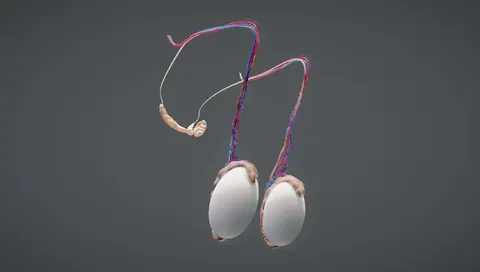
Testicular Torsion
Read more
Bladder Cancer Treatment in Turkey
Read more
Prostate Cancer Treatment in Turkey
Read more
Related guide articles

Sudden and Severe Testicular Pain
Read more-

Pain and Swelling in the Testicles
Read more