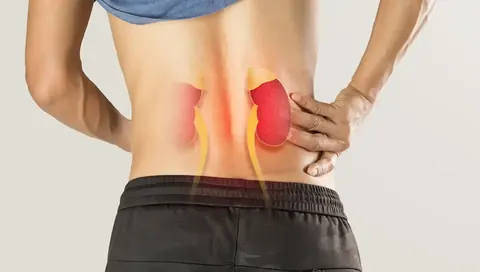
Laser Ureteral Stone Treatment in Turkey
Laser-assisted ureteral stone treatment is a modern treatment method based on fragmenting stones formed in the ureteral canal using laser technology. In this method, an endoscopic device is used to enter the urinary tract and reach the area where the stone is located, applying high-frequency laser energy. The laser breaks the stone into small pieces, allowing it to be naturally expelled from the body.
This technique is usually performed under general anesthesia and is less invasive compared to open surgery. Patients have a short recovery time and low complication risk. Laser stone treatment is highly effective, especially for stones smaller than 2 cm, with a high success rate. Today, laser lithotripsy, one of the most frequently preferred methods for treating ureteral stones, provides maximum benefit to patients with minimum discomfort.
Get Information on WhatsApp Get Information by Phone 5,0· 107 Google reviews
Contents
- What is a Ureteral Stone?
- What Causes Ureteral Stones?
- What are the Symptoms of Ureteral Stones?
- What are the Treatment Methods for Ureteral Stones?
- Laser Ureteral Stone Treatment in Bursa
- Frequently Asked Questions About Laser Ureteral Stone Treatment
- Laser Ureteral Stone Treatment in Bursa, Turkey
What is a Ureteral Stone?
Ureteral stones are mineral deposits that form in or migrate from the kidney to the ureter, one of the thin tubes that carry urine from the kidney to the bladder. Usually, stones formed in the kidney gradually move and pass into the ureter, where they can become trapped and cause obstruction. This condition can block urine flow, leading to severe pain, blood in urine, and serious health problems such as infection.
Ureteral stones typically consist of calcium oxalate, uric acid, or other mineral salts. Their size can range from millimeters to centimeters. While small stones may pass spontaneously, larger ones may require interventions such as laser treatment. With early diagnosis and appropriate treatment, ureteral stones can usually be successfully treated.
What Causes Ureteral Stones?
The formation of ureteral stones is caused by the accumulation and crystallization of certain minerals and salts in the urine. These crystals combine over time to form stones and can pass from the kidney to the ureter, becoming trapped there. The main factors that can cause ureteral stone formation include:
Insufficient water consumption: When there is not enough fluid in the body, urine becomes concentrated and the risk of minerals precipitating to form stones increases.
Dietary habits: Excessive consumption of salt, protein, oxalate (found in foods like spinach, chocolate, tea), and sugar can increase stone risk.
Genetic predisposition: Individuals with a family history of stone disease have a higher risk.
Urinary tract infections: Some bacteria can create chemical changes in urine that may lead to stone formation.
Urinary flow disorders: Prostate enlargement, congenital structural abnormalities, or narrowing in the urinary tract can predispose to stone formation.
Metabolic diseases: Conditions such as gout disease and hypercalciuria (excessive calcium excretion in urine) can also trigger stone development.
When one or more of these factors combine, the likelihood of ureteral stone formation increases. Individuals at risk are advised to consume water regularly and maintain a balanced diet.
What are the Symptoms of Ureteral Stones?
Ureteral stones can present with different symptoms depending on the size of the stone, its location, and the extent to which it blocks urine flow. The most common symptoms include:
- Severe flank pain
- Blood in urine
- Frequent urination
- Pain during urination
- Nausea and vomiting
- Fever and chills
- Decreased or interrupted urine flow
If one or more of these symptoms are present, especially severe pain and fever, immediate medical attention is required. Early diagnosis reduces the risk of permanent damage.
What are the Treatment Methods for Ureteral Stones?
The treatment method for ureteral stones is determined based on the size of the stone, its location, the patient’s general health condition, and the severity of symptoms. The main treatment methods include:
- Conservative Treatment (Spontaneous Passage)
- Laser Lithotripsy (Laser Stone Fragmentation)
- ESWL (Extracorporeal Shock Wave Lithotripsy)
- Ureteroscopy (URS)
- Surgical Intervention (Rare Cases)
After treatment, patients are advised to consume plenty of fluids, follow dietary recommendations, and take preventive measures based on stone analysis results. Regular follow-up is important to prevent recurrence of stone formation.
Laser Ureteral Stone Treatment in Bursa
Laser-assisted ureteral stone treatment is one of the most frequently used minimally invasive methods today for safely and effectively eliminating ureteral stones. This treatment method is commonly referred to as “laser lithotripsy.”
How is it Applied?
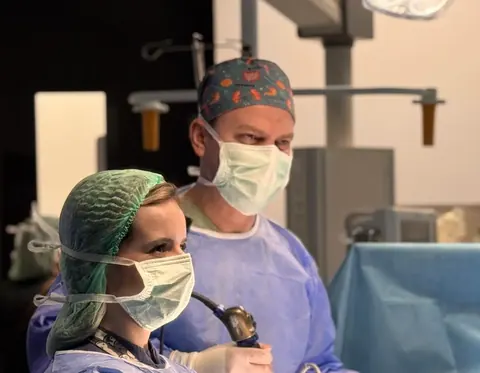
During laser lithotripsy, general anesthesia is usually administered to the patient. Access is gained through the urethra (urinary canal) using an endoscopic device (ureteroscope) to reach the stone. Then, using a special laser fiber, the stone is fragmented into millimeter-sized pieces. These small pieces are naturally expelled by the body through urine or can be removed during the procedure.
Advantages:
- No need for open surgery.
- Can be applied regardless of stone location (especially very effective for lower ureteral stones).
- Low complication risk.
- Complete stone clearance is possible.
- Provides short hospital stay and rapid recovery.
Who is it Suitable for?
- Stones larger than 5 mm that do not pass spontaneously.
- Stones causing severe pain or obstruction.
- Stones that cannot be fragmented with ESWL (shock wave therapy).
- Stones that may cause infection or kidney function loss.
After the procedure, patients are usually discharged the same day or the next day. In some cases, a temporary “double-J stent” may be placed in the urinary tract. This stent is removed within a few weeks. Patients are advised to drink plenty of water and attend regular doctor check-ups.
Laser-assisted treatment is a modern stone treatment method with a high success rate that causes minimum discomfort to patients. It is particularly accepted as the first choice for uncomplicated ureteral stones.
Frequently Asked Questions About Laser Ureteral Stone Treatment
Is laser ureteral stone treatment painful?
No, the procedure is usually performed under general anesthesia, so the patient does not feel pain. Afterward, there may be mild pain and burning during urination, but this is usually short-term.
How long does the procedure take?
The procedure duration can vary depending on factors such as stone size and location, but it typically takes 30-60 minutes on average.
What is the hospital stay duration?
Most patients are discharged the same day or the next day after the procedure. If a stent is placed, it is removed within a few days.
Can laser treatment be applied to all types of ureteral stones?
Yes, laser lithotripsy is suitable for almost all stone types and locations. It is particularly very effective for lower ureteral stones.
Do stones form again after the procedure?
Yes, stones can form again in individuals prone to stone formation. Therefore, stone analysis should be performed and lifestyle modifications such as diet and water consumption should be implemented.
Is laser stone fragmentation safe?
Yes, when performed by experienced specialists, it is a very safe method. In rare cases, complications such as infection or urinary tract injury may occur.
When can normal life be resumed after laser treatment?
Usually, patients can return to normal life within a few days. However, heavy exercise and activities that cause excessive water loss should be avoided for a while.
What should be considered after the procedure?
- Drink plenty of water
- Take prescribed medications regularly
- Do not miss follow-up appointments
- Consult a doctor if symptoms such as bloody urine or high fever occur
Laser Ureteral Stone Treatment in Bursa, Turkey
Op. Dr. Tuğrul Türker is a urologist in Bursa, Turkey, and sees patients at Private Doruk Nilüfer Hospital. Bursa is reached from Istanbul by road over the Osmangazi Bridge, by ferry across the Sea of Marmara, or through Yenişehir Airport. If you are travelling from abroad for Laser Ureteral Stone Treatment, you can send your previous reports and test results on WhatsApp and we will write back about a suitable date. Appointment requests are confirmed only after we reply.
How does the treatment process work?
-
Contact
You contact us via WhatsApp, phone or the form; a suitable examination day is planned for you.
-
Examination and tests
Your complaints are listened to and you are examined; tests are requested if necessary.
-
Treatment plan
The results are evaluated; suitable treatment options and the process are explained to you in detail.
-
Treatment and follow-up
The treatment is carried out; recovery is followed up with check-up visits.
This page is for general information only. Always consult your doctor for diagnosis and treatment.

Patient Reviews
5,0 · 107 Google reviewsGoogle reviews (opens in a new tab) DoktorTakvimi profile (opens in a new tab)
For patients travelling from abroad
Here is how your treatment journey works and how to reach us.
Op. Dr. Tuğrul Türker works at Private Doruk Nilüfer Hospital, which holds the Turkish Ministry of Health authorisation for international health tourism.
- Free initial assessment
- Airport transfer
- Accommodation support
- Translator support
-
Why
Op. Dr. Tuğrul Türker
A graduate of Cerrahpaşa Faculty of Medicine and a urology specialist since 2012. He performs Da Vinci robotic surgery and laser stone and prostate surgery at Private Doruk Nilüfer Hospital.
View -
Why
Bursa, Türkiye
Bursa is a few hours from Istanbul's two international airports by road and ferry, and the city has an airport of its own. Treatment takes place in a fully equipped private hospital.
View -
How it works
The process and getting in touch
Message us on WhatsApp and share the test results you have. Dr. Türker reviews them, a suitable day is agreed, and the examination and treatment take place at the hospital.
Message on WhatsApp
Related treatments
Related guide articles
Methods for Passing Ureteral Stones
Read more
Endoscopic Bladder Stone Treatment
Read more
Kidney Stone Treatment with RIRS Method
Read more